
America Idealizes New Zealand.
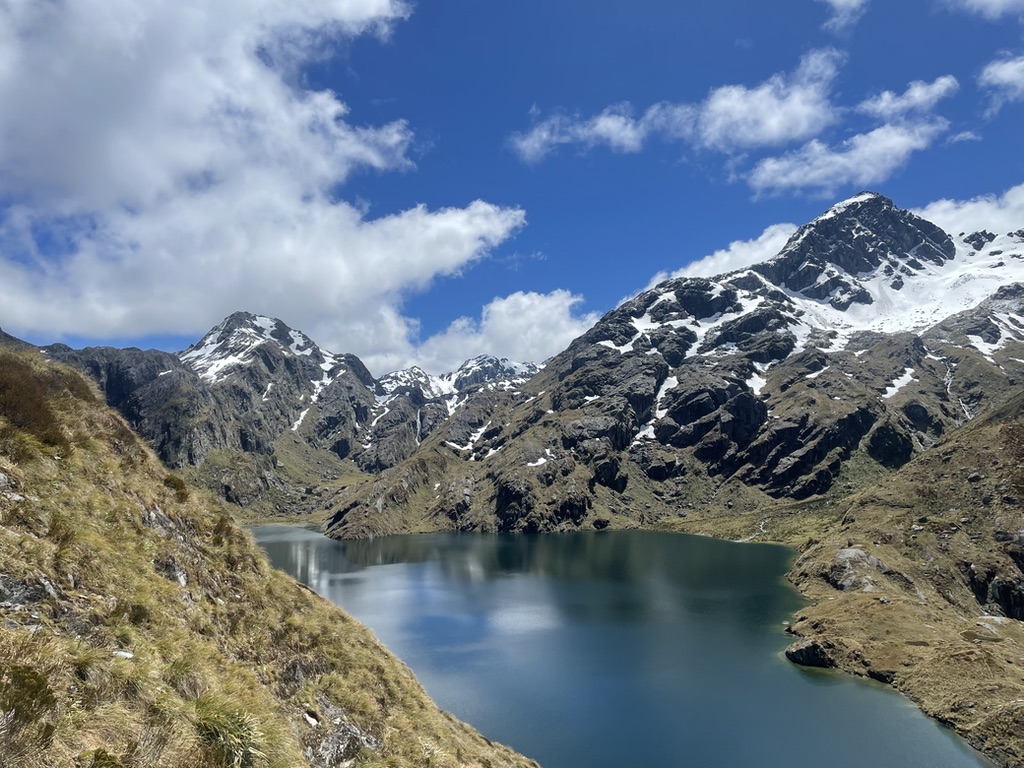
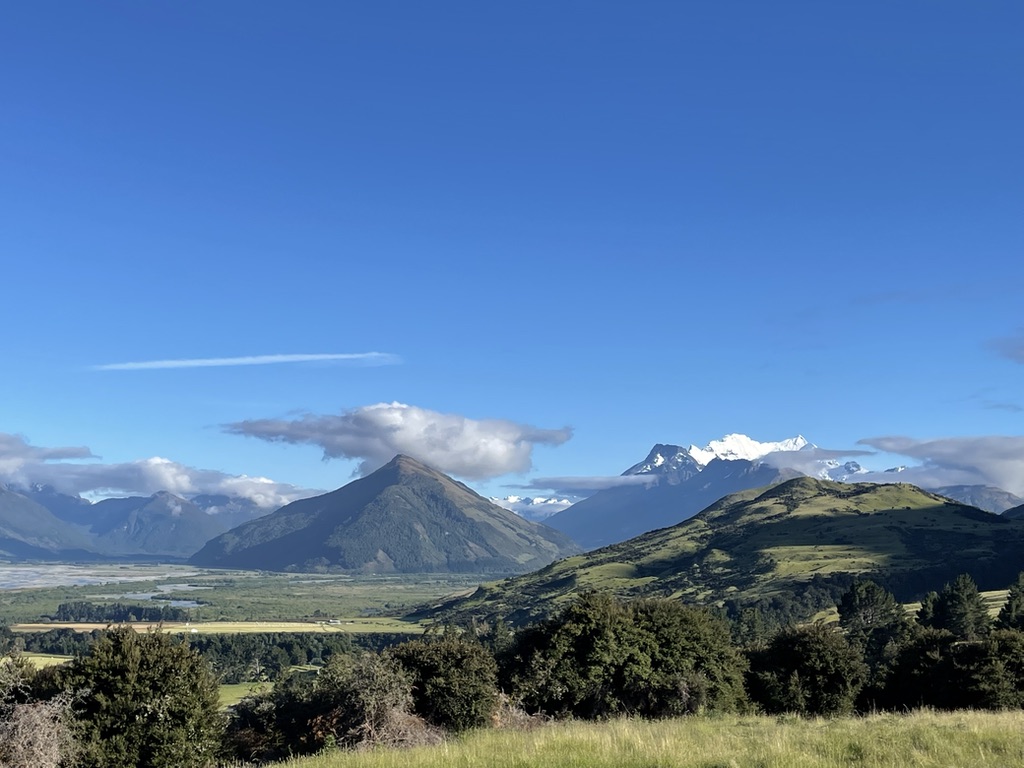
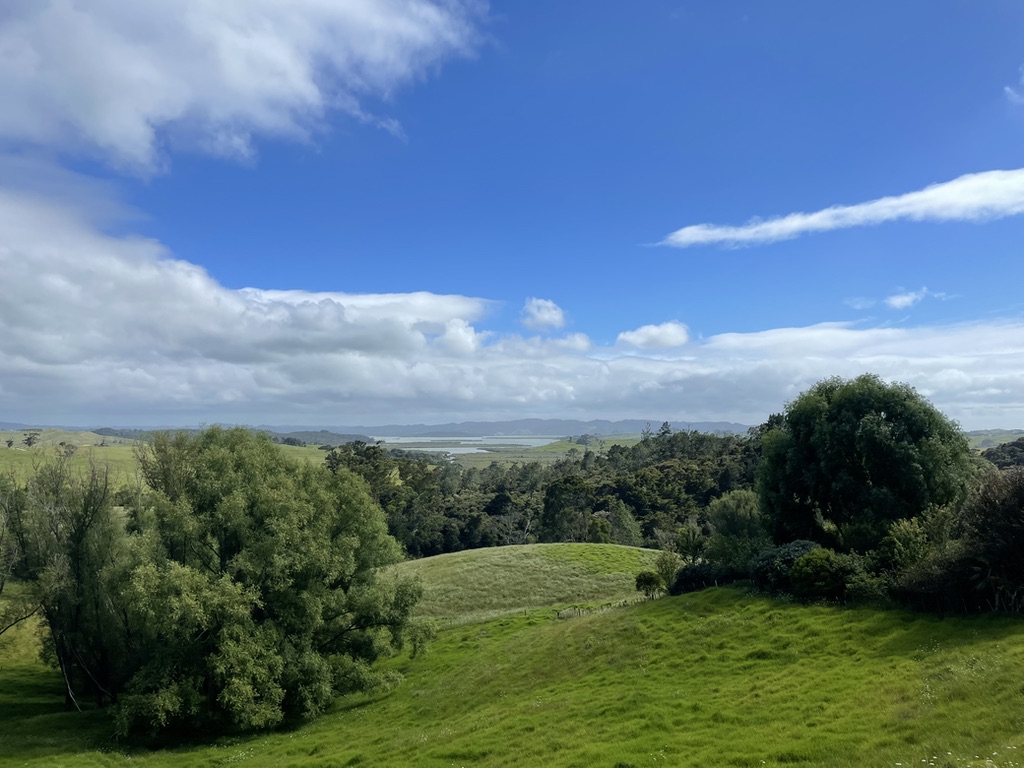
And for good reason. Nature is abundant, picturesque, and stunningly gorgeous from the dramatic mountains and glaciers on the South Island to the beautiful beaches and green hillsides (as familiarized in the Hobbiton setting where Lord of the Rings and The Hobbit were filmed) in the North Island. Adding to that, the people are genuinely nice, and life moves at a relaxed pace.
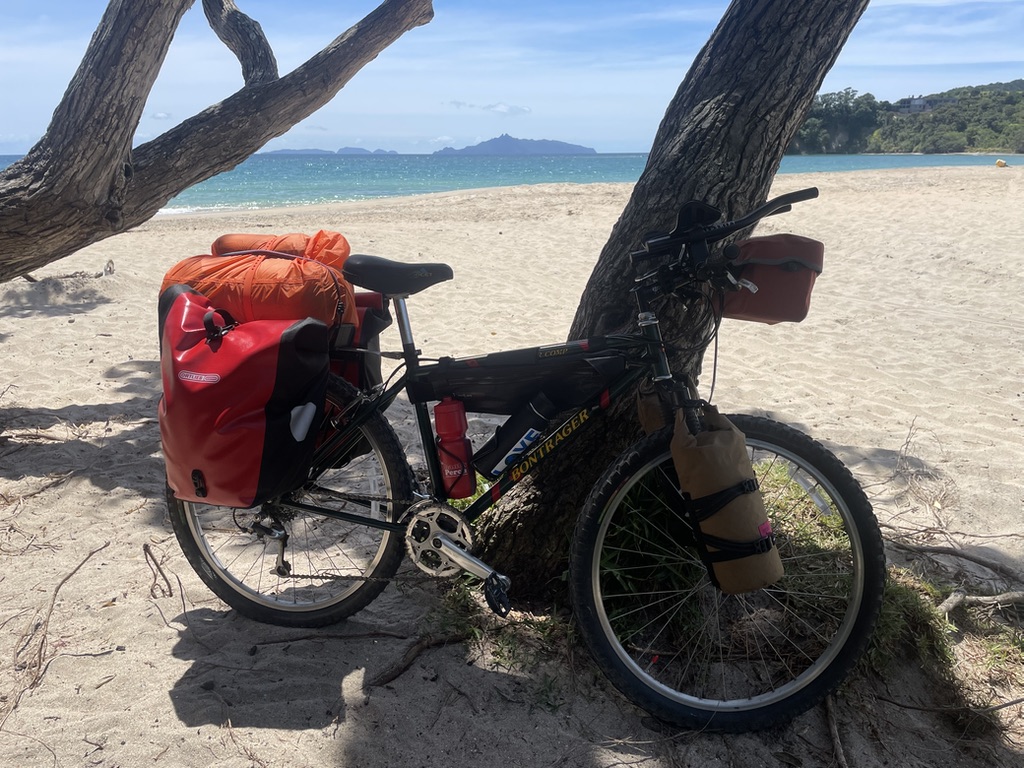
There are notable similarities between New Zealand and the United States. Both were home to indigenous populations before British settlers arrived. Both aspire to democratic governance—New Zealand guided by fairness and the United States by freedom. English is spoken in both countries. Each experienced gold rushes in the mid to late 1800s, and today, Americans rush to obtain New Zealand’s “golden visa”. I came to see whether New Zealand is all golden honey and sunsets in paradise. Arriving in Auckland from San Francisco, California, it didn’t feel as though I had flown across the globe, perhaps because the two cities cities lie at nearly the same latitude.
In Just This, a poem by New Zealand poet Brian Turner, he includes an epilogue from Gary Snyder, a poet from my neighborhood who captured my sense of place—Mount Tamalpais. It’s no wonder I felt a resonance of home, and perhaps why others from the United States might feel it as well.
Just This
Find your place on the planet, dig in,
and take responsibility from there.
_ Gary Snyder
Affecting without affectation, like these sere hills
then the early evening sky where Sirius dominates
for a time, then is joined by lesser lights,
stars indistinct as those seen through the canopies
of trees shaking in the wind. There’s this wish
to feel part of something wholly explicable
and irreplaceable, something enduring
and wholesome that supresses the urge to fight …
or is there? Ah, the cosmic questions
that keep on coming like shooting stars
and will, until, and then what? All I can say
is that for me nothing hurts more
than leaving and nothing less than coming home,
when a nor’wester’s gusting in the pines
like operatic laughter, and the roadside grasses
are laced with the blue and orange and pink
of bugloss, poppies and yarrow, all of them
swishing, dancing, bending, as they do, as we do.
Brian Turner
from Just This, Te Herenga Waka University Press, 2009erenga Waka University Press, 2009
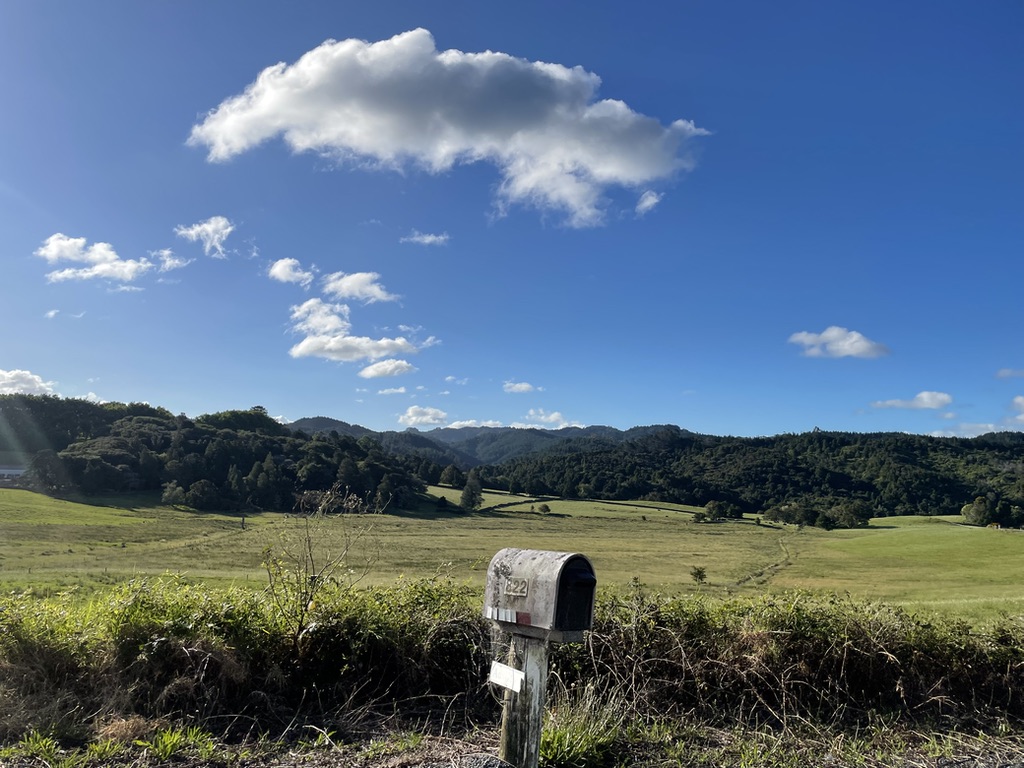
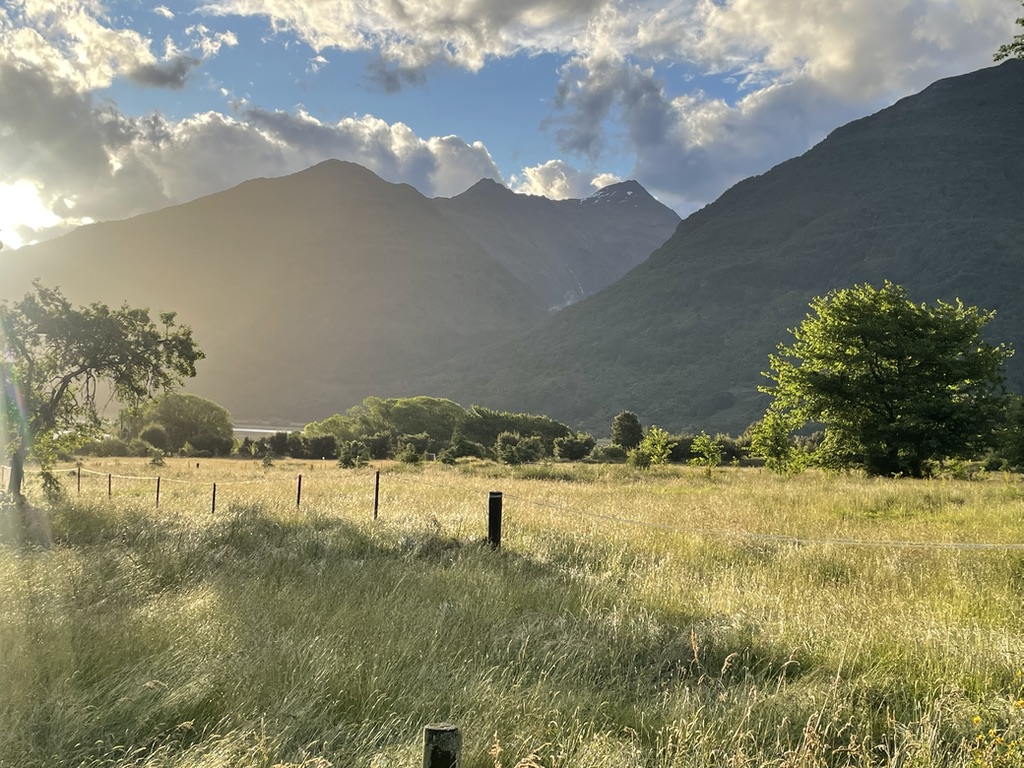
During my two and a half months traveling around New Zealand I came to reframe the common conception of a good work/life balance into something closer to an equation of life > work. It isn’t that Kiwis don’t work hard—they do—but they generally value time off and unlike the United States, they rarely bring work home, nor do they tie their personal identity tightly to their profession. Whereas, in the United States, one of the first questions someone asks another upon meeting is “What do you do?”—implying, what is your work or profession. In New Zealand, I was seldom asked this, and if so, it came further along in any conversation. My talk with Kiwis generally drifts toward nature: which walks I’d been on or planned to take, or where to find the best surf or the best bird watching, as they shared a list of their favorites and often invited to take me along.
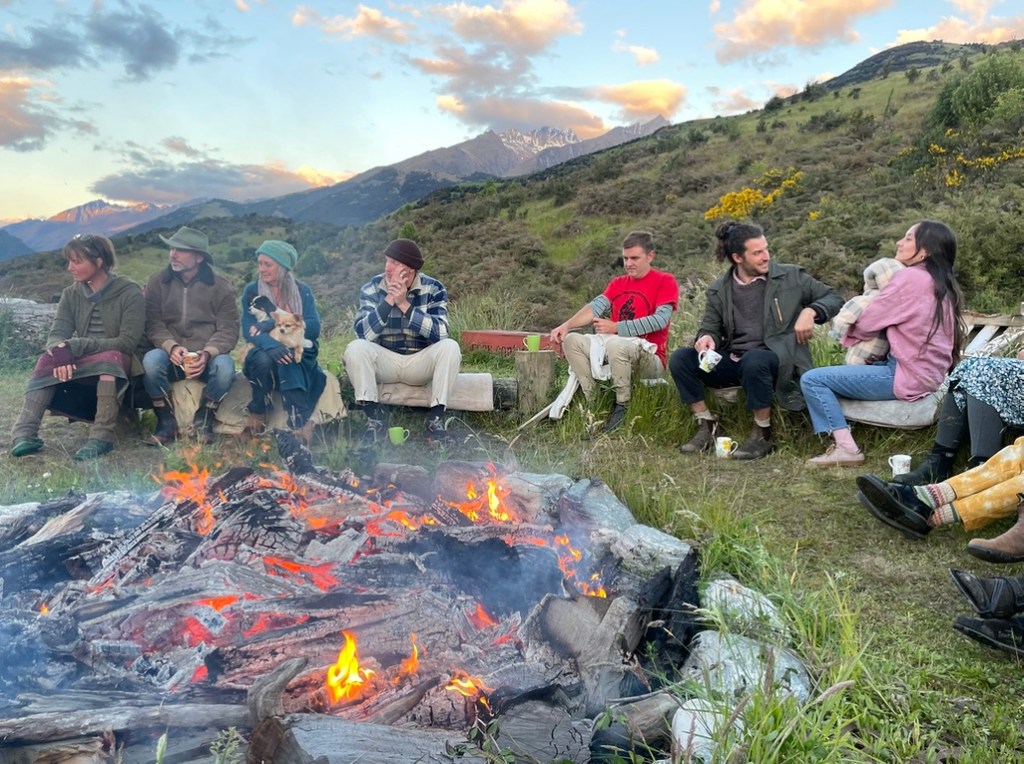
New Zealanders also tend to carry on with an “it’ll be alright” attitude, with a laid back, go with the flow ease. Life’s troubles, political disgruntles—these they don’t dwell on. Live and let live seems to be their motto, even as some live paycheck to paycheck. In politics, New Zealand navigates its strategic and economic relationships with China, United States, Australia, and India, and takes a careful ‘steady as she goes’ approach.
Today, New Zealand faces rising inflation and a cost of living crisis, with many struggling to earn a living wage. Since the pandemic, the country has been experiencing economic decline, compounded by a productivity lag, with cattle farming and tourism being the strongest industries. In many remote communities, access to healthcare and education is limited, while methamphetamine use is on the rise. The current centre-right National Party claims it can strengthen and grow the economy, although its approach continues to reflect predominantly Hayekian laissez-faire principles. Perhaps as a result, many Kiwis are leaving in search of better opportunities in Australia and elsewhere.
New Zealand is a global leader in women’s rights. There have been three female Prime Ministers, though it was Jacinda Ardern who made the world pay attention, exemplifying that women needn’t choose between having children and having a career. She gave birth during her tenure in office and would not only bring her baby to work but breastfeed there too. Today, almost half of all MPs are women. This recognition of women’s equality is not new—New Zealand made history in 1893, becoming the first self-governing nation in the world to grant women the right to vote.
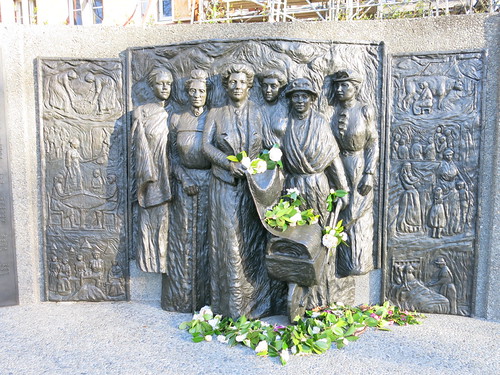
Kate Shepard Memorial in Christchurch
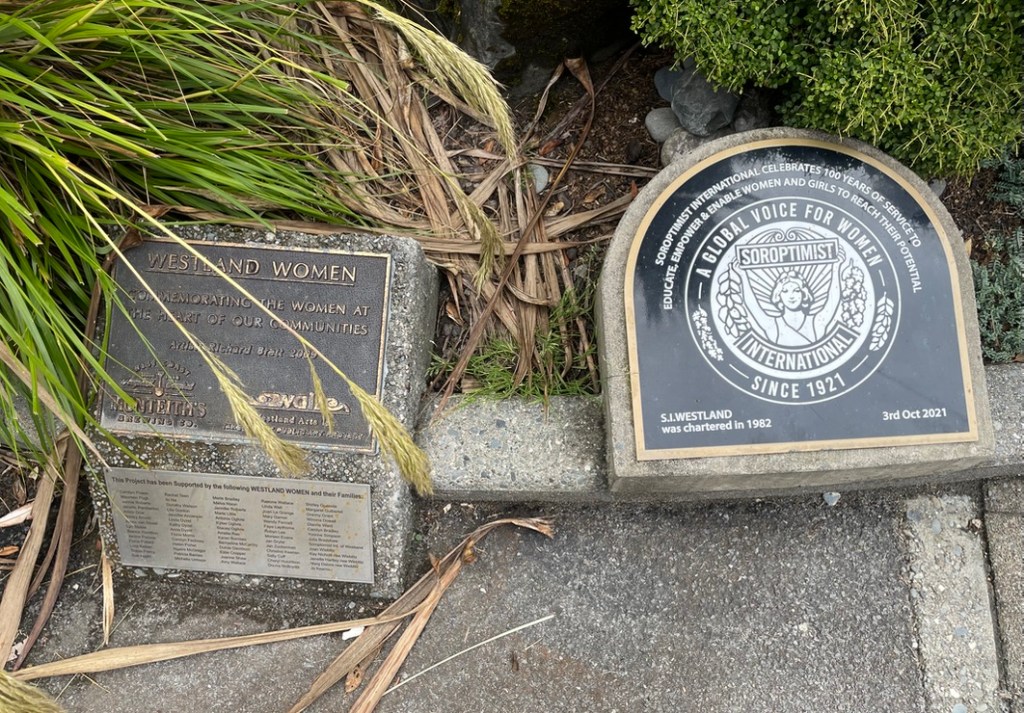
Both the United States and New Zealand have populations shaped by waves of immigration, from their earliest histories to the present. Their nations were formed on Indigenous foundations, and later becoming intermixed by Europeans, Asians, Filipinos, Indians, and other nationalities creating diverse and dynamic societies. Rather than becoming increasingly polarized into opposing groups/camps, both countries would have much to benefit from recognizing their diversity as a source of strength rather than division and divisiveness. In this regard, the principles of fairness and freedom can serve as unifying forces that bring all citizens together.
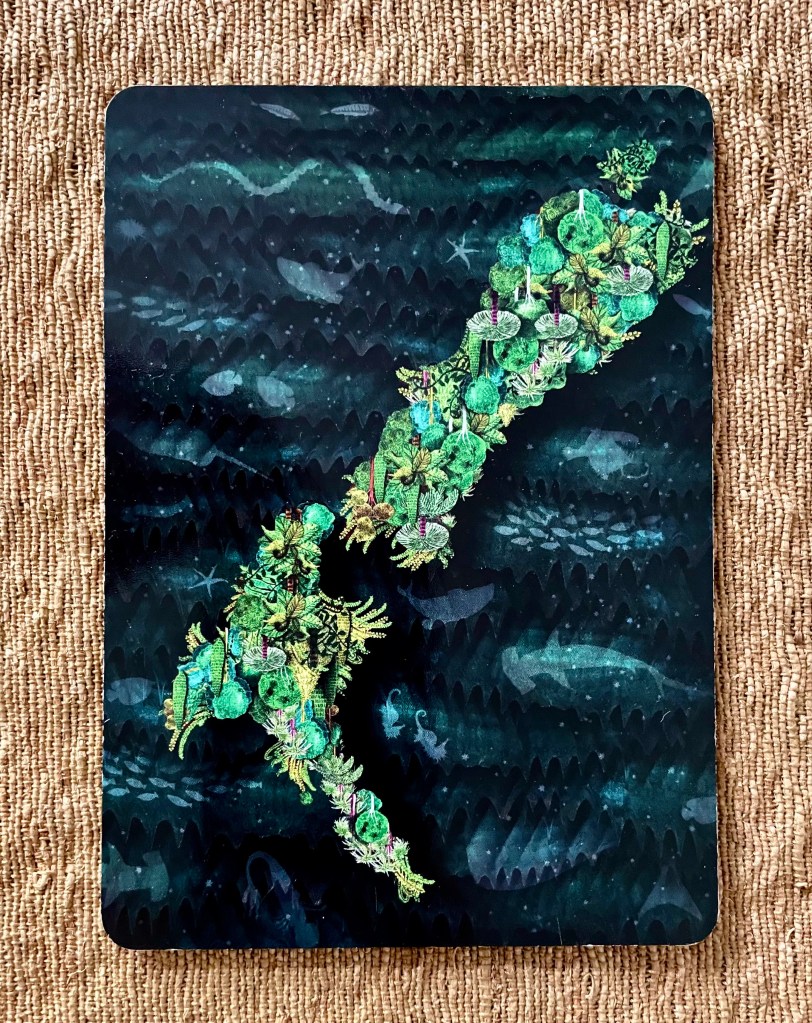
In recent years there’s been a growing embrace of Mãori culture, especially in relationship to the land and the oral stories/traditions that lend honor and meaning to their geography and sense of place. Just as there are mythological traditions surrounding Hindu gods and biblical narratives, the Māori possess a rich body of stories deeply connected to the land, including accounts of how the islands themselves were formed. A PhD student in history and anthropology I met during my travels, explained to me that, because Māori culture relied heavily on oral traditions rather than written records, storytelling served as a vital means of preserving and transmitting knowledge. By embedding information within vivid, visual narratives tied to specific landscapes, these stories functioned as a kind of cultural map—helping people remember locations, navigate their environment, and pass that knowledge on to others. In this way, mythological accounts of land formations were not only spiritually meaningful but also served a practical purpose, blending imagination with geographic understanding in a uniquely creative and enduring form.
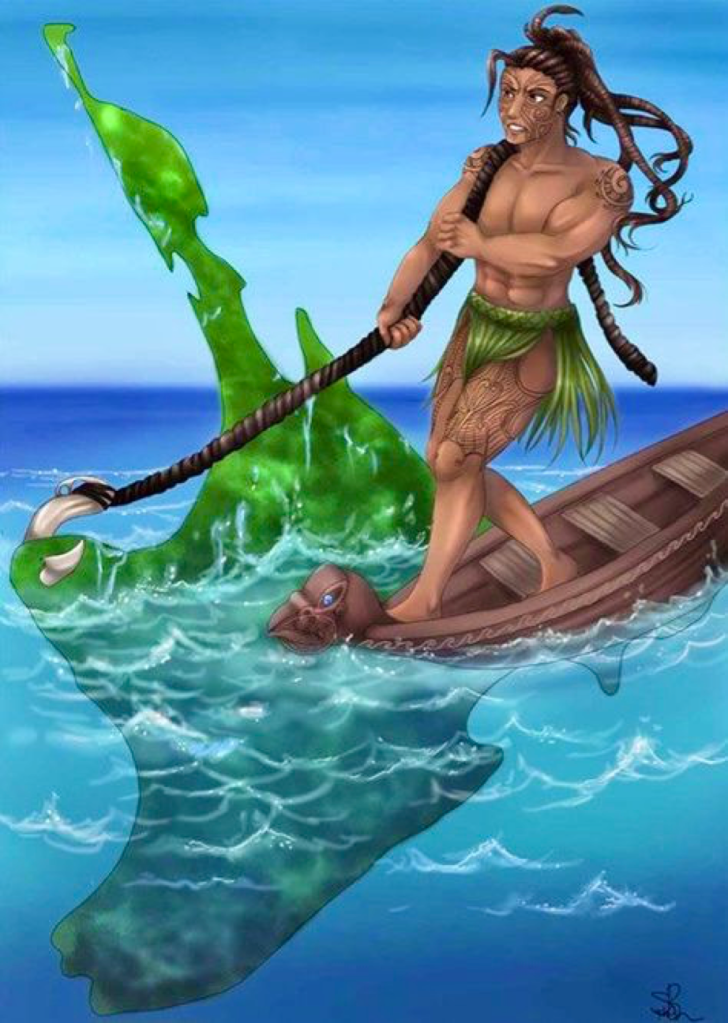
The Mãori arrived on these uninhabited islands in the 14th century (though some have pushed the date back to 800 AD); the first four European explorations (Dutch, British, and two French) followed in the 18th century. I visited Marsden Crossing, the sight where the first European’s came in 1814 to establish a missionary settlement and where Thomas Holloway King, the first full-blooded European (white) child was born in 1815. Modern New Zealand continues to be a fusion of Mãori customs and colonial Western influence, with both holding meaningful stake in the country today. National politics continues to negotiate between these two stakes, in and outside of the historical treaties.
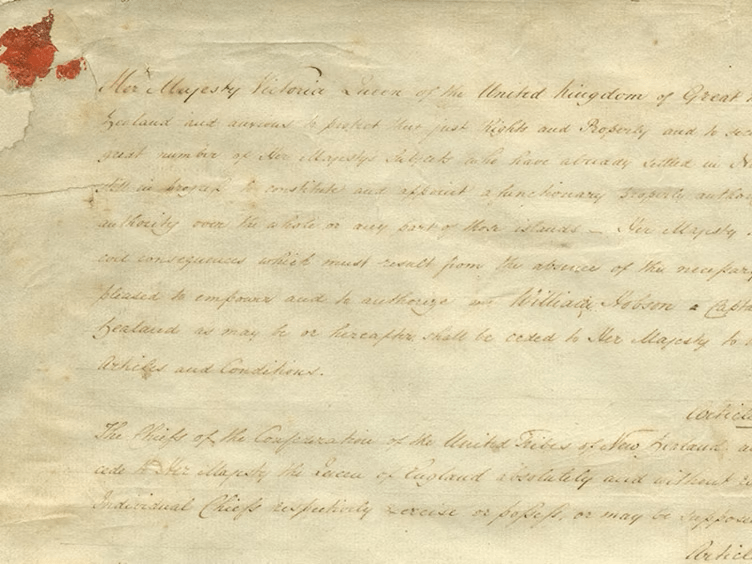
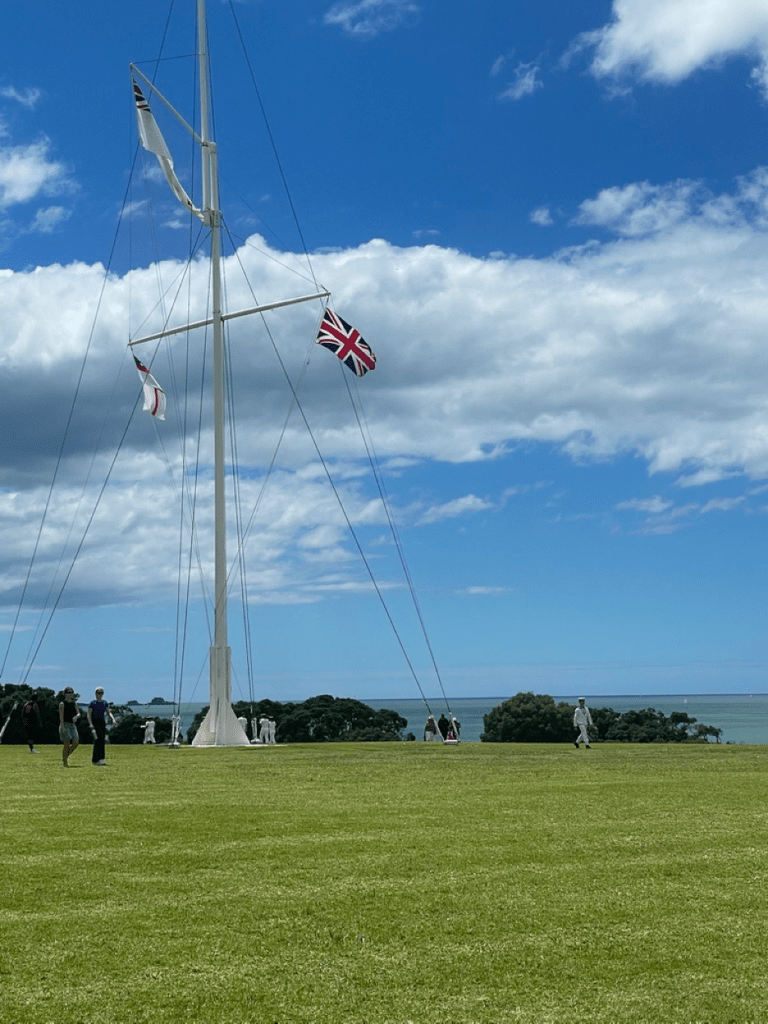
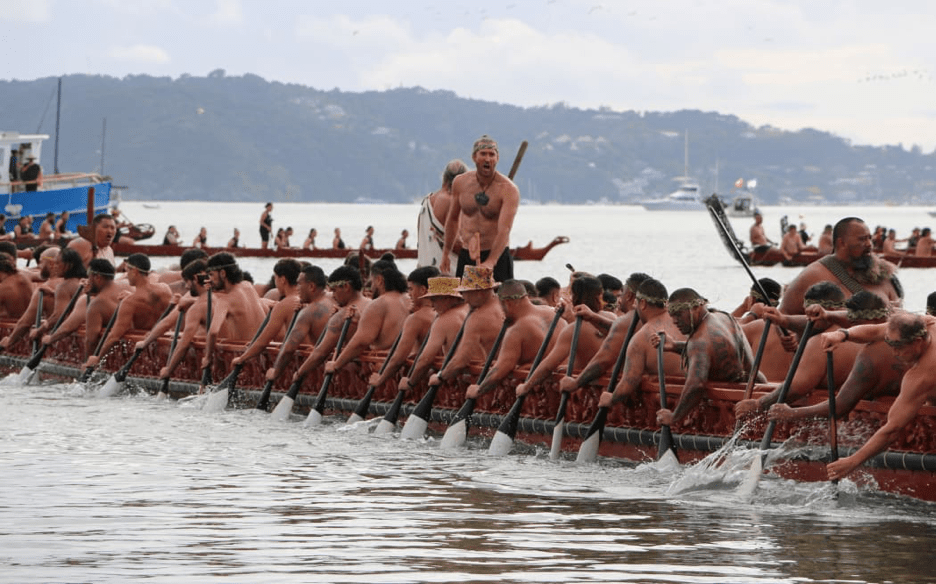
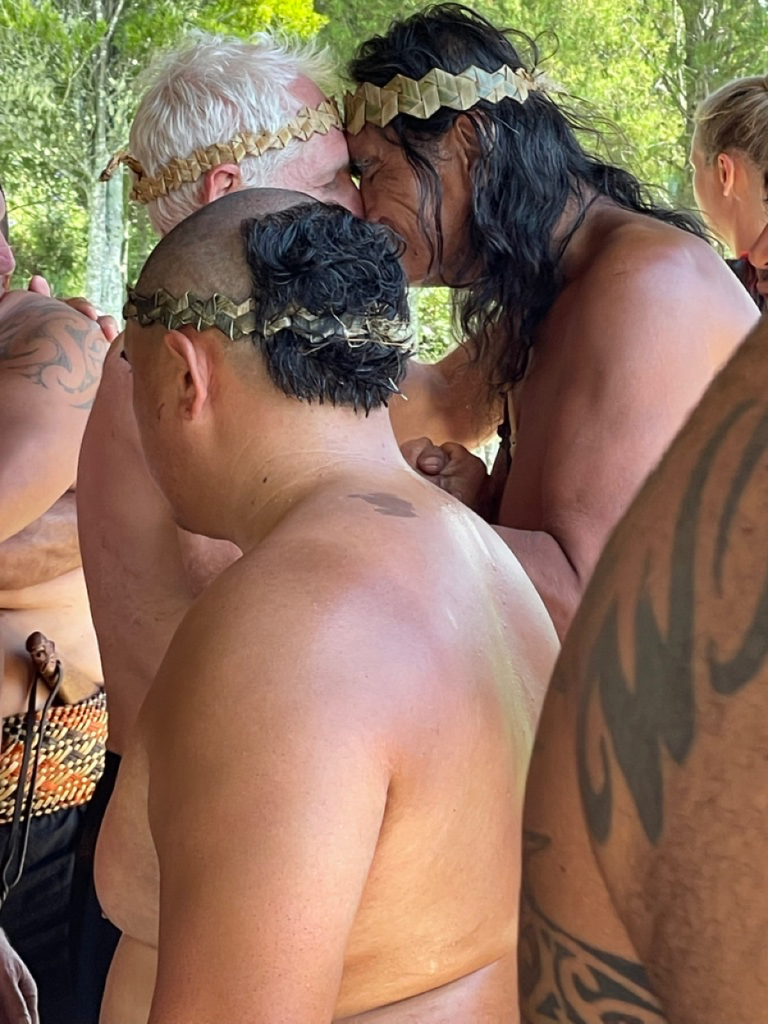
I was lucky to be at Waitangi in the Bay of Islands for the annual Waitangi Day festivities. Waitangi Day marks the signing of Te Tiriti o Waitangi, the treaty between the Mãori chiefs and the British Crown, which established British sovereignty while guaranteeing Mãori control over the land. The day’s celebration is a display of flag raising, a 21-gun salute from the Royal NZ Army, and Navy ships and waka (Mãori canoes) taking to the waters of the Bay of Islands. A major highlight of the day is the 120 foot Ngãtokimatawhaorua, New Zealand’s largest ceremonial war canoe, that is powered by 80 paddlers in traditional dress. After ceremonially bringing the canoe to its home on the treaty grounds, there is much chanting and dancing by the paddlers, culminating in the manava/manawa which is a profound cultural ritual where the paddlers touch their heads to the carved prow (or tauihu) of the waka and then to each other, signifying unity, respect, and the sharing of life force/breath—“he waka eke noa.” This ceremonial ritual signifies that we are all in this canoe together—the paddlers, the canoe, and the ocean are connected as one.
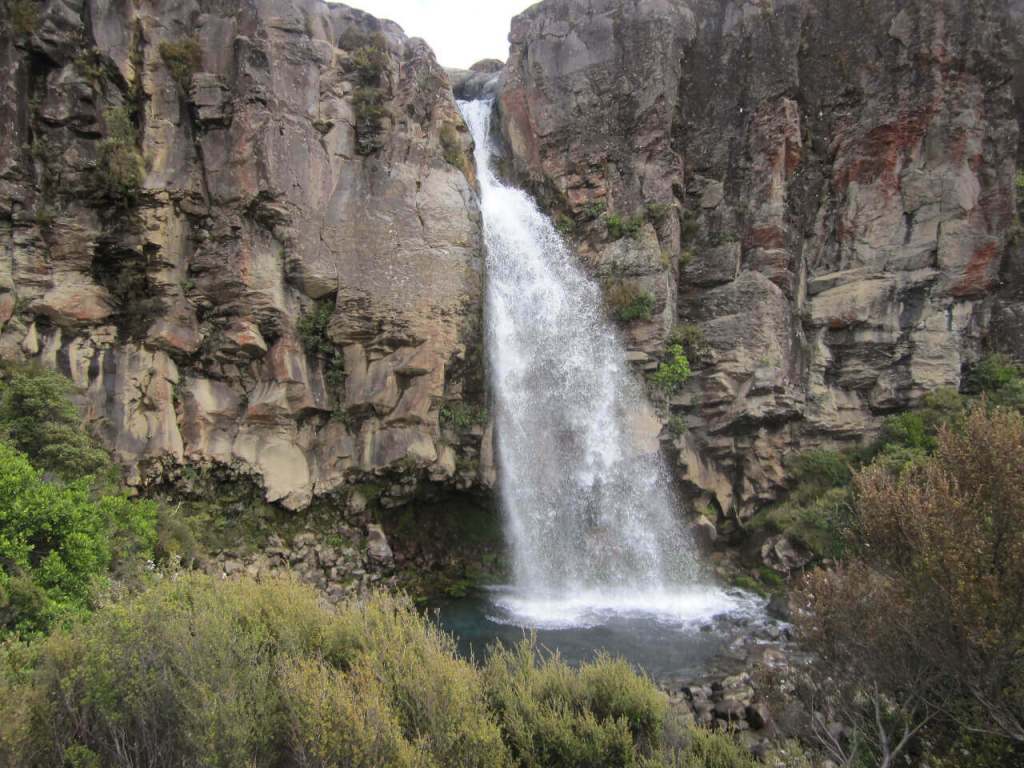
There is a deep connection to nature and a strong ethos to “giving back” to nature and protecting it rather than simply taking from it. In 2017, the Whanganui River, which flows 290km from Mount Tongariro through the heart of the North Island to the Tasman Sea, became the first river in the world to be granted legal personhood. The Maori believe humans and water are intertwined—this essence, manifested in the proverb “Ko au te awa, ko te awa ko au”, “I am the river, the river is me.” The legal personhood of natural sites has other precedents in New Zealand—in 2014, Te Urewera National Park and in 2018, Mount Taranaki were given the same status.
Since humans first stepped foot on the islands of Aetearoa (the land of the long white cloud), its ecosystem has been in continual flux—from the habitation of early Mãori hunters to the first colonial farmers. Even so, New Zealanders hold a genuine aspiration to restore it back to its original state, which is not entirely possible as long as humans remain there. Even if they left, their imprint would linger as the wild reclaims the land. Nonetheless, there are ongoing projects to eradicate invasive species and reintroduce native flora, creatures, and bird populations, protected within fenced sanctuaries and on islands cleared of predatory pests. The challenge of course is that birds are oblivious to boundaries; they have wings. Sanctuaries abut farms, rural and urban settlements, farms. Even the most acclaimed fenced ecosanctuary Zealandia sits at the edge of Wellington, one of the most populated cities, where its fence borders neighboring homes and welcomes approximately 140,000 visitors annually to help fund its mission.
To better understand the human footprint in New Zealand, it is important to examine patterns of land use, particularly the dominance of animal agriculture. A substantial proportion of the country’s agricultural land is dedicated to pasture for livestock, rather than to crops grown for direct human consumption such as fruits, vegetables, and grains. In terms of overall land distribution, approximately 40% of New Zealand’s total land area is used as pasture for livestock, while less than 2% is allocated to horticulture and crop production for direct human consumption. Around 50–60% (some reports say 35-45% is more accurate) of the land consists of forest and conservation areas, and only about 1–3% is used for urban and human development, including cities, towns, infrastructure, and industrial/commercial activity.
When focusing specifically on the 42% agricultural land use, the imbalance becomes even more pronounced: an estimated 90–95% is devoted to animal agriculture, with only 5–10% used for crop production. These figures also encompass Māori freehold land, which makes up approximately 5% of total land and includes a mix of rural, agricultural, and conservation uses. Taken together, these statistics illustrate the significant extent to which New Zealand’s landscape is shaped by human activity, with animal agriculture playing a particularly dominant role.
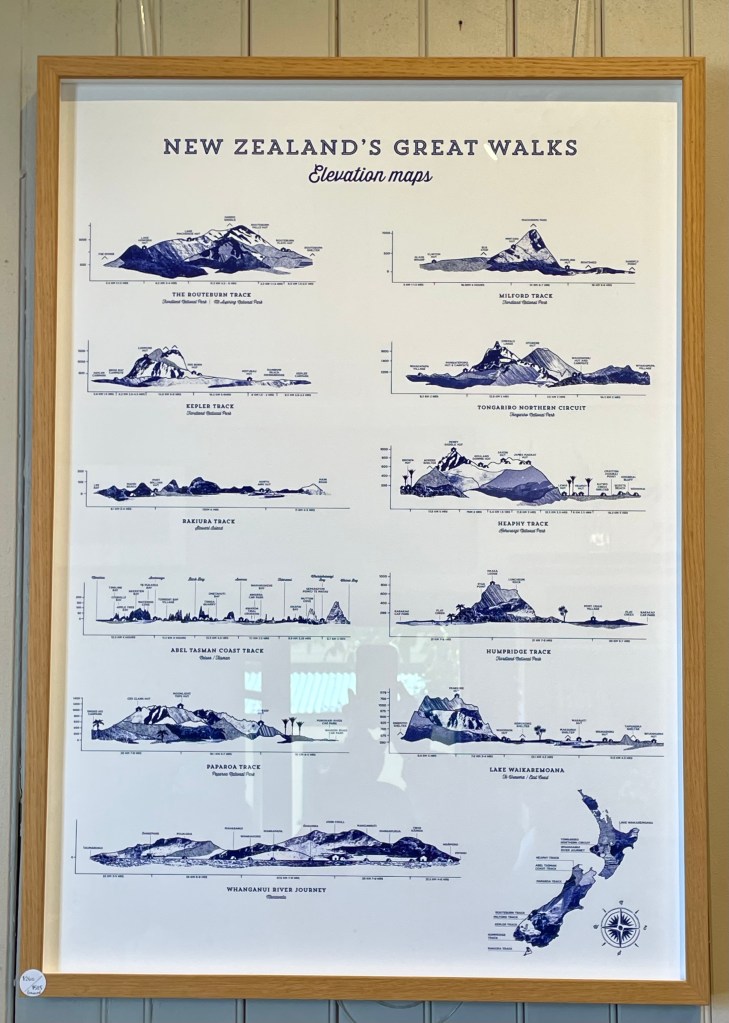
“Tramping” is a big attraction in New Zealand , which is known for the Great Walks. It has eleven official routes, to date. I say “to date” because the list continues to grow: the Tuatapere Hump Ridge Track was added in 2024 and the Paparoa in 2019. Nature tourism is a leading economic resource for New Zealand, attracting approximately 2 million people annually. I tramped in at least half of the Great Walks, and they are in every sense of the word—great! Stunning and breathtaking, they are remarkably well maintained with clear trail markings and huts (called DOC huts) to take shelter in, so I had no need to carry a tent. Many people walk in their ‘wilderness’. Kiwis have a word for companions met along the trail: tramily, a portmanteau of tramping and family.
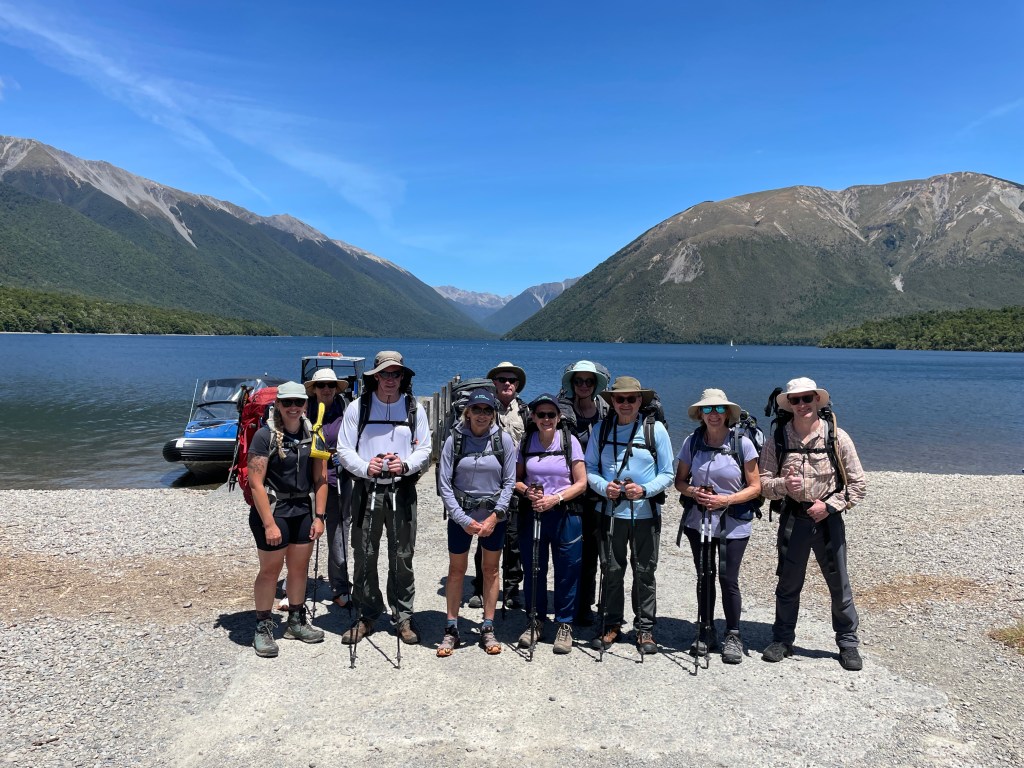
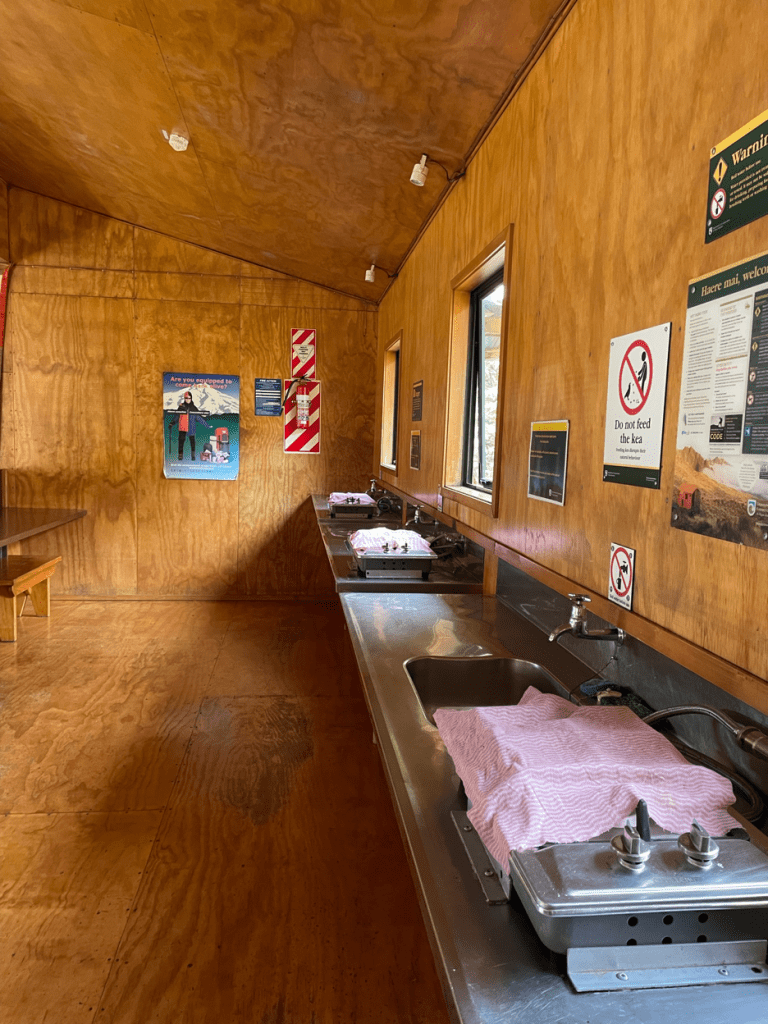
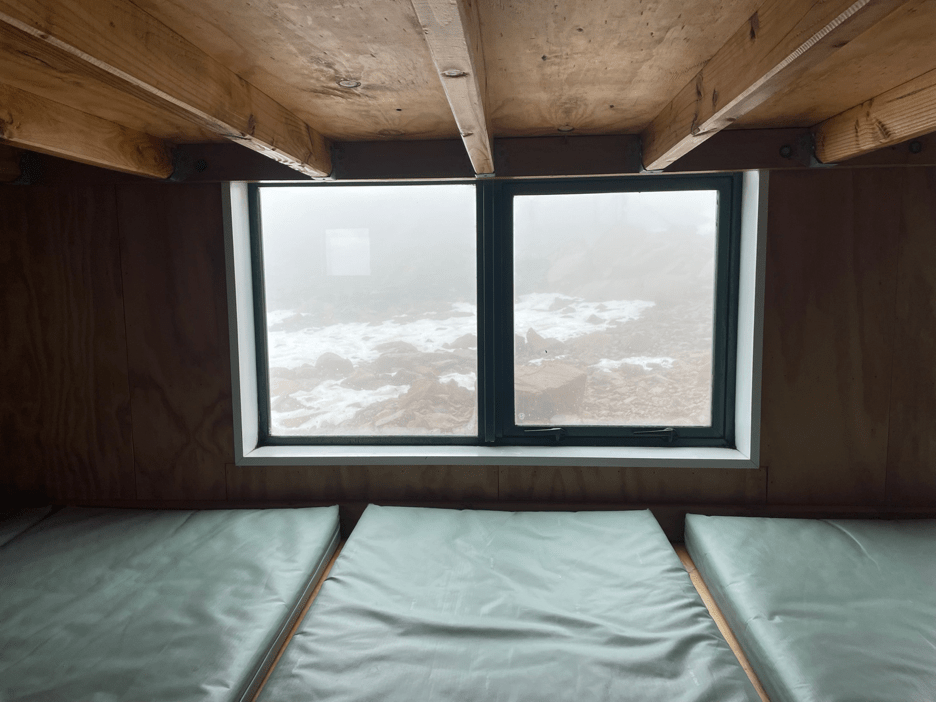
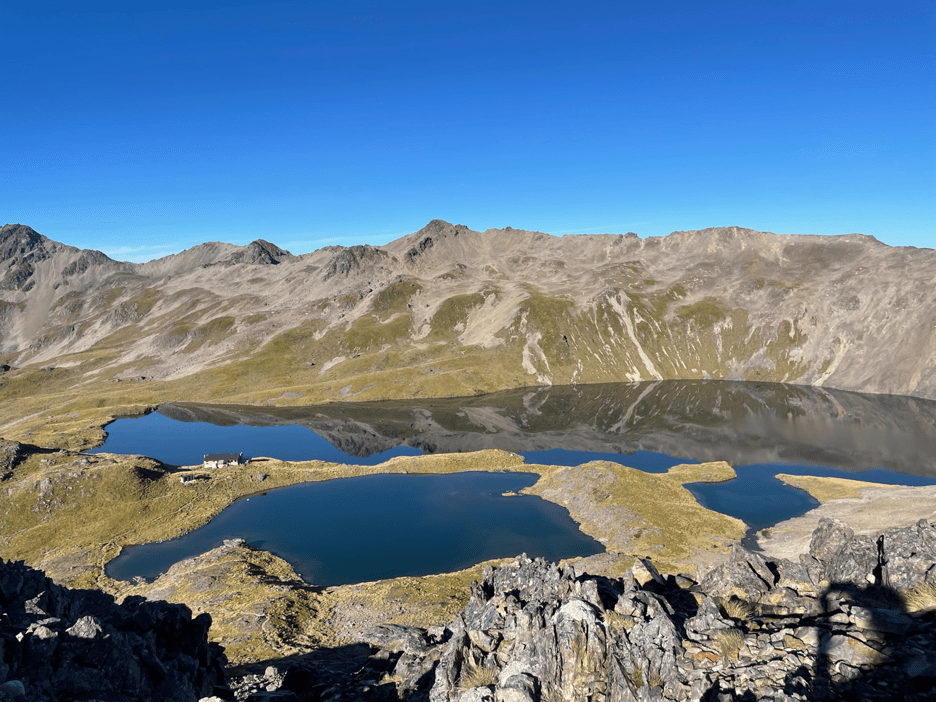
Segments of the Great Walks trails can feel like park paths at times, but they are genuinely wild places where nature remains the dominant force. Like the John Muir Trail in California or the Everest Base Camp route in Nepal, these, too, are well-travelled and maintained courses through wilderness. Yet, nature has a way of reminding you that it is still untamed and demands respect.
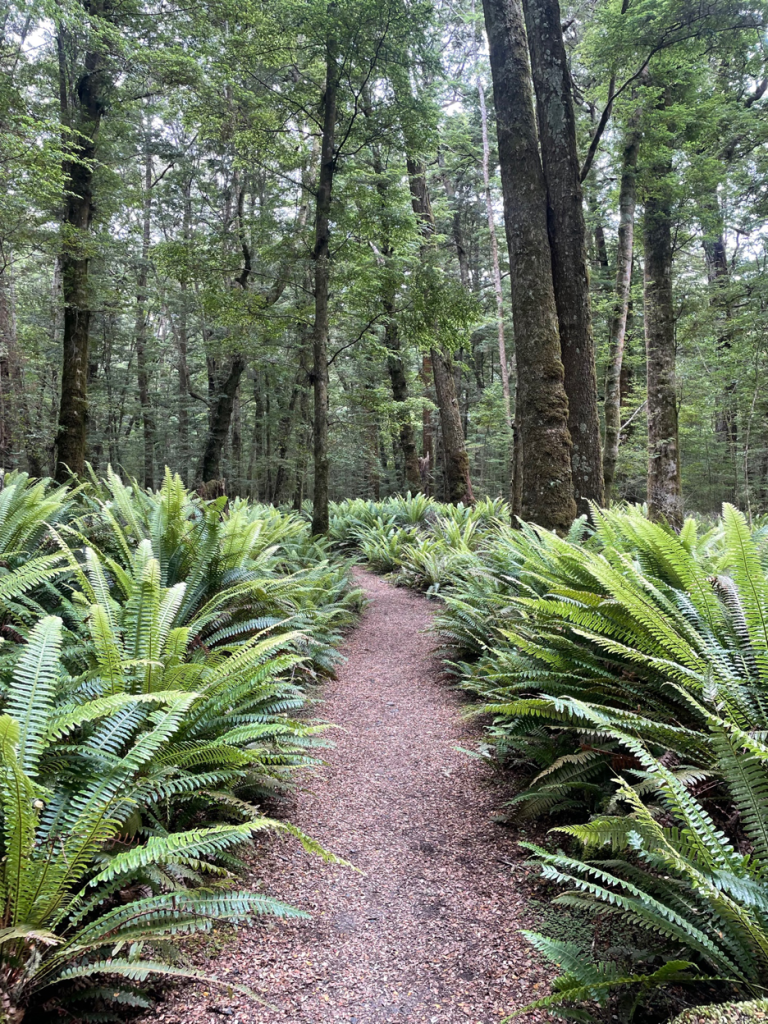
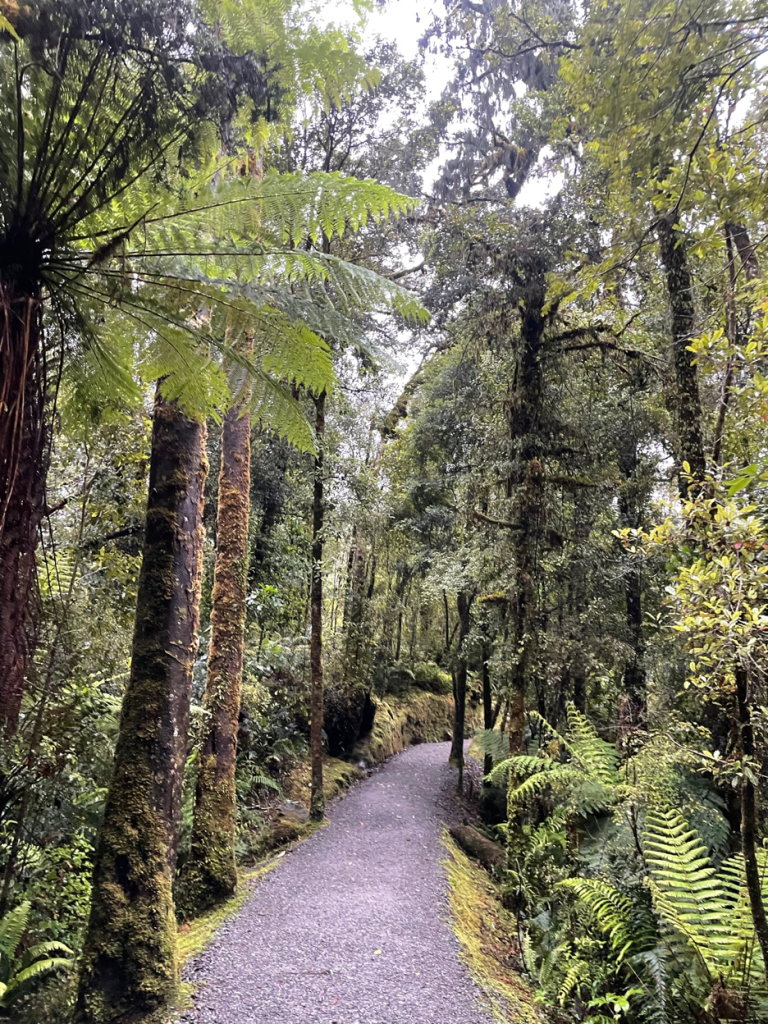
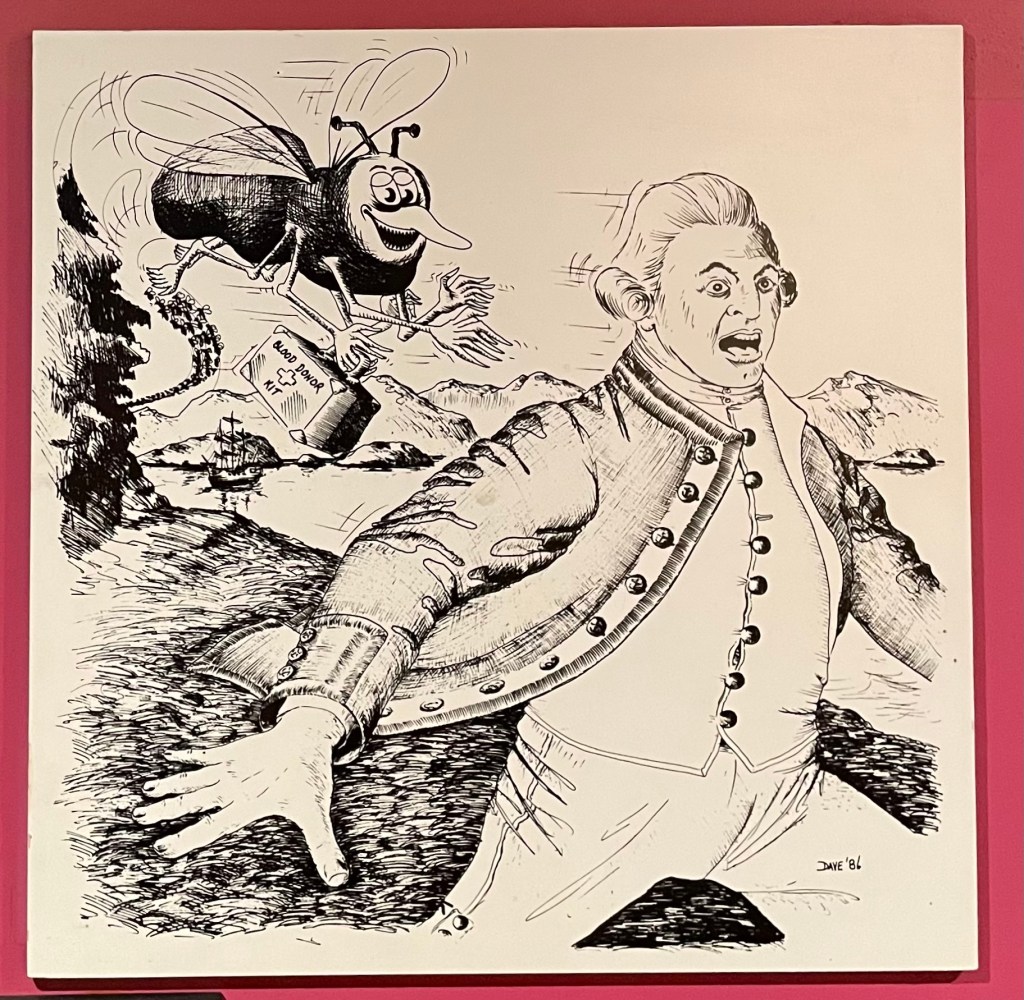
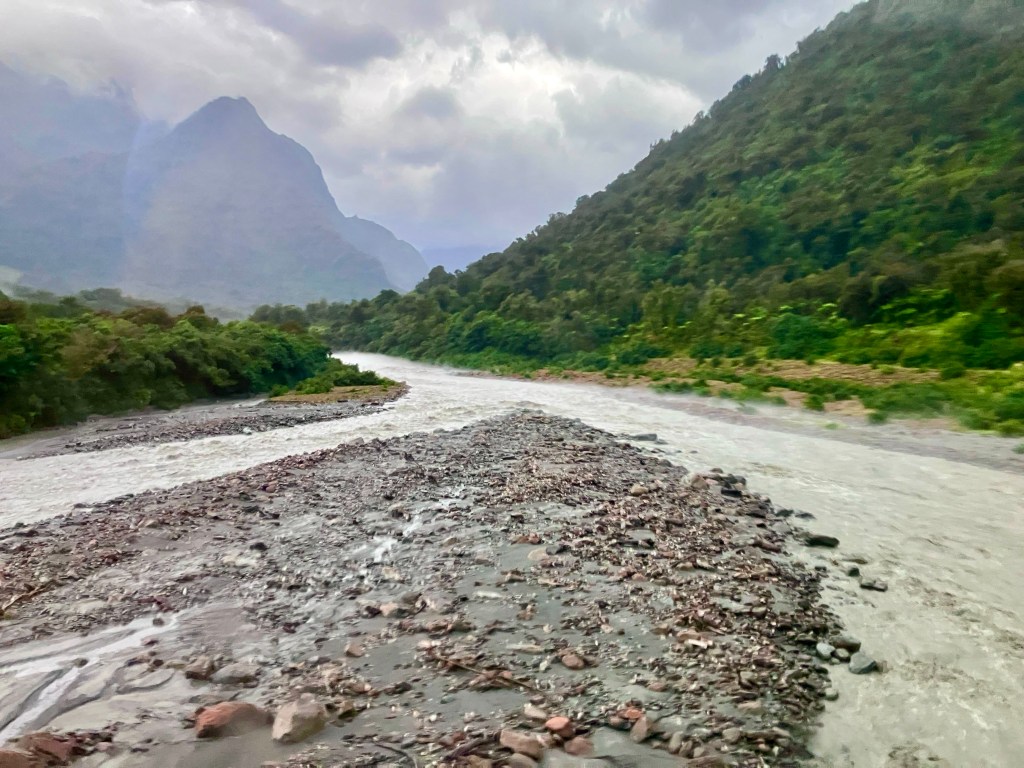
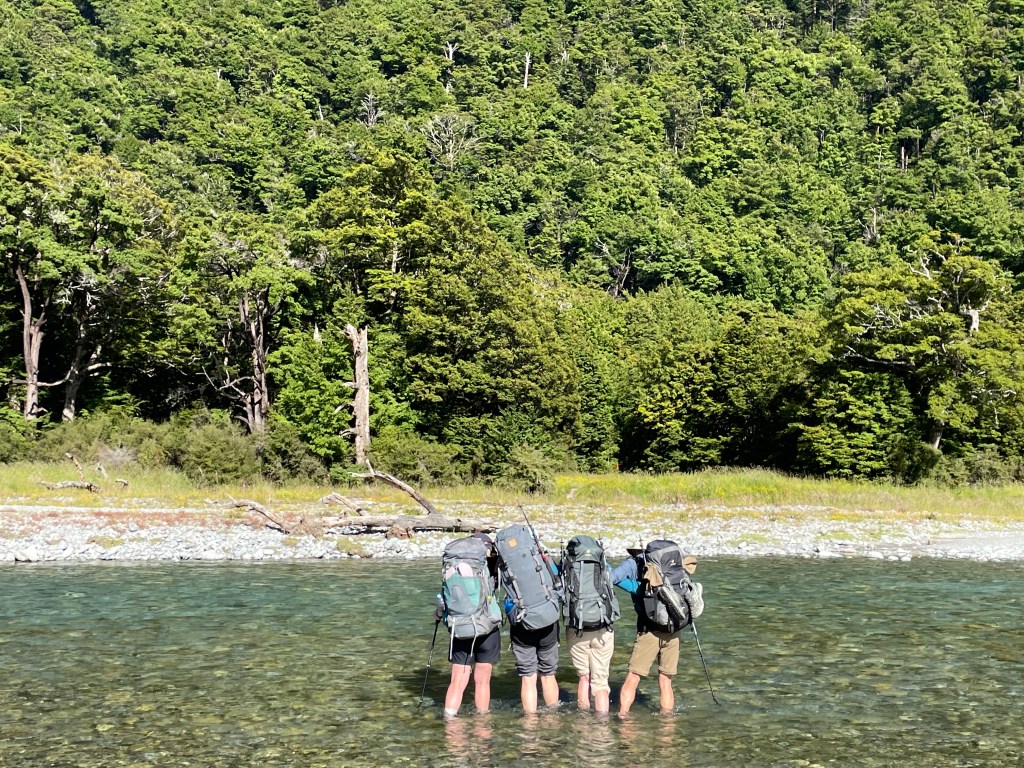
New Zealand has no dangerous animals to be concerned about, yet there are other perils. Some routes traverse rocky, steep, exposed ridgelines; weather can shift rapidly and dramatically; and rivers that seem tame can quickly swell into raging, un-crossable torrents. And then there are the notorious, pesky sandflies—tiny but relentless, capable of biting through socks and long trousers.
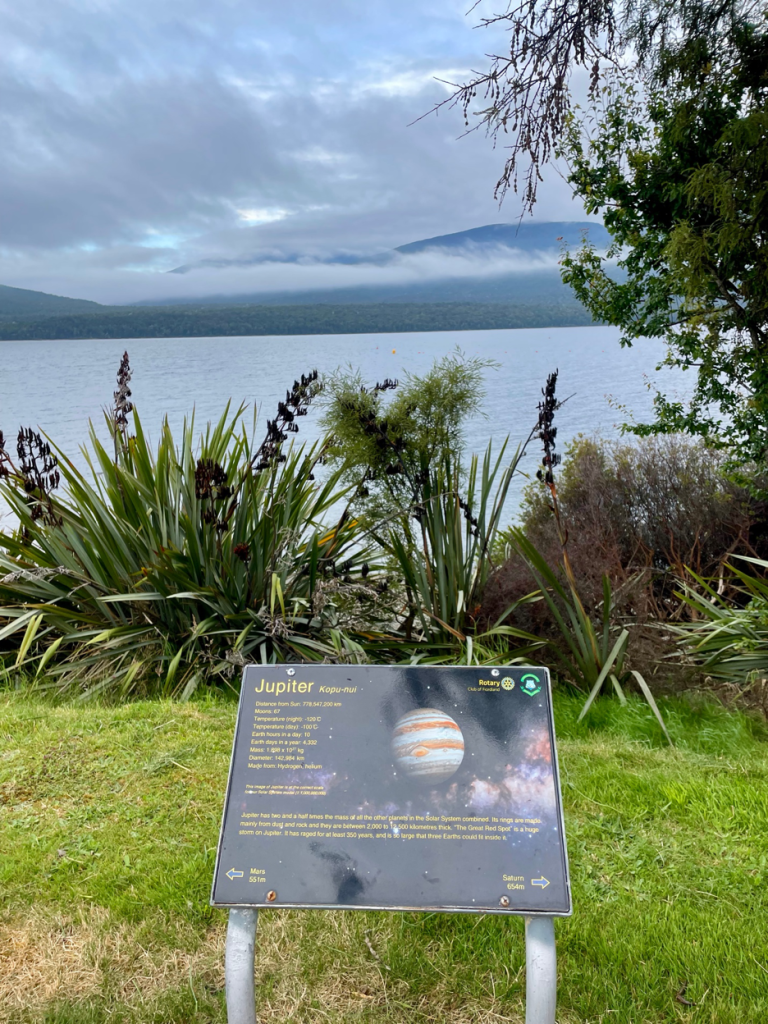
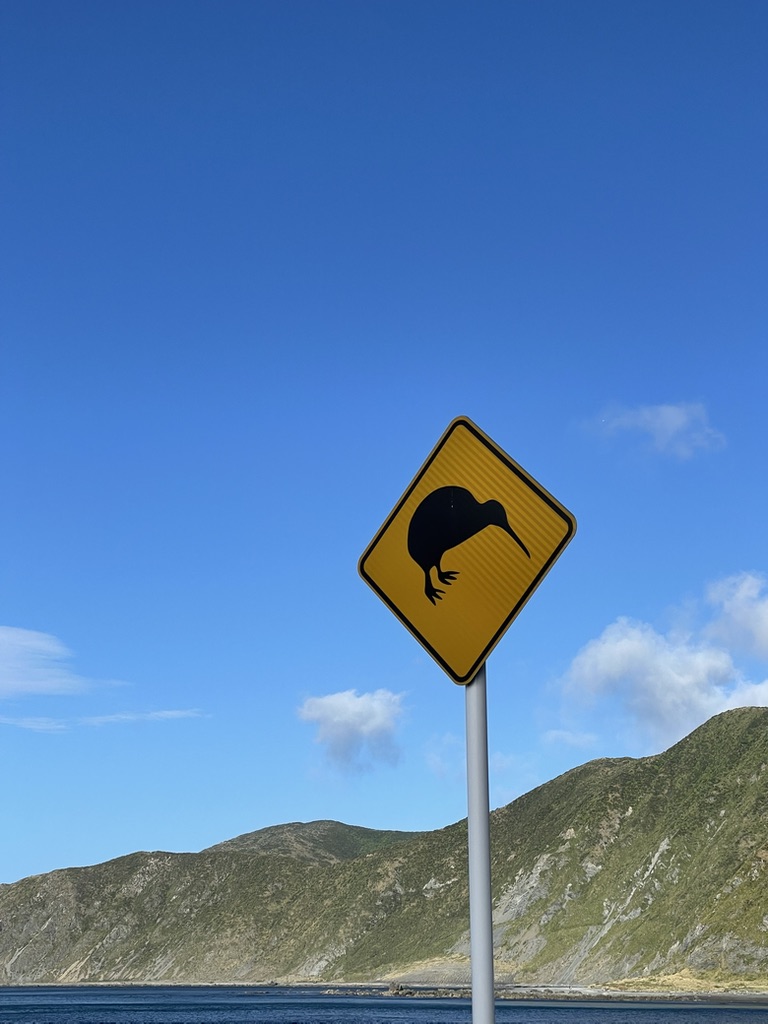
Whether under the sun or stars, being immersed in nature has a way of touching something deeper within us, almost trascendent. I was awestruck by the night sky! Aotearoa New Zealand has two of the world’s Dark Sky Reserves, along with three Dark Sky Sanctuaries and three Dark Sky Parks. Aoraki Mt. Cook is one of the Reserves I visited, and it is the only place I have been where strolling along the Te Anau lakeside path, signs that one usually finds for identifying plants, instead describe Jupiter and Saturn, focusing your gaze up into the galaxy, the bigger universe. A highlight was seeing the vibrant greens, reds, and violets of the Aurora Australis on Stewart Island, another Dark Sky Sanctuary. I came to see the native Kiwis, which was also pretty exciting, yet the night sky took my breath away. You needn’t only visit these designated dark sky places. Nearly everywhere in New Zealand, away from cities I experienced spectacular stargazing.
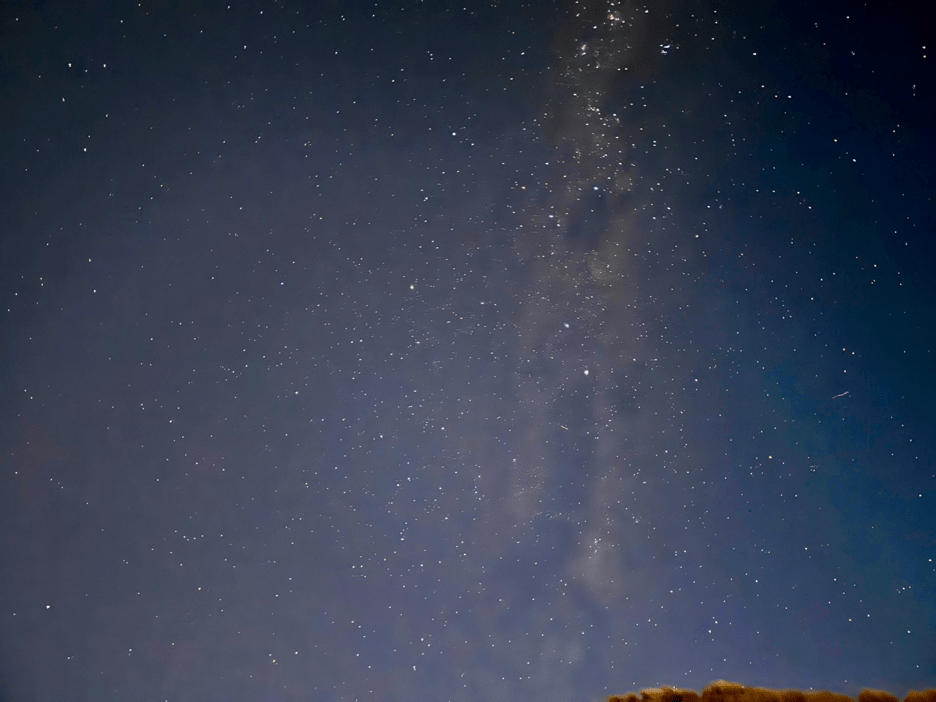
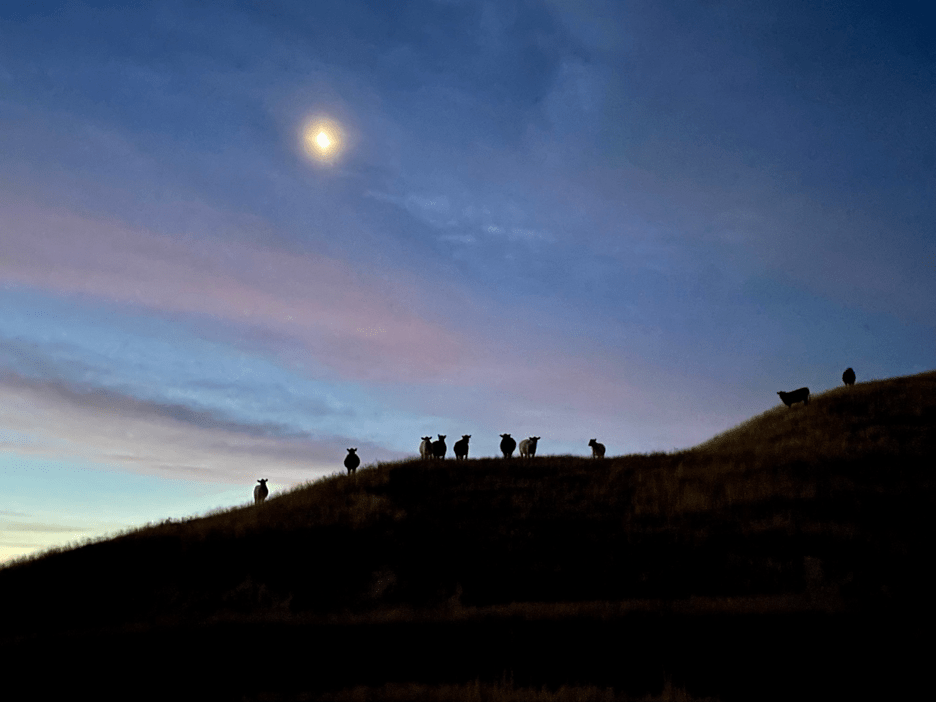
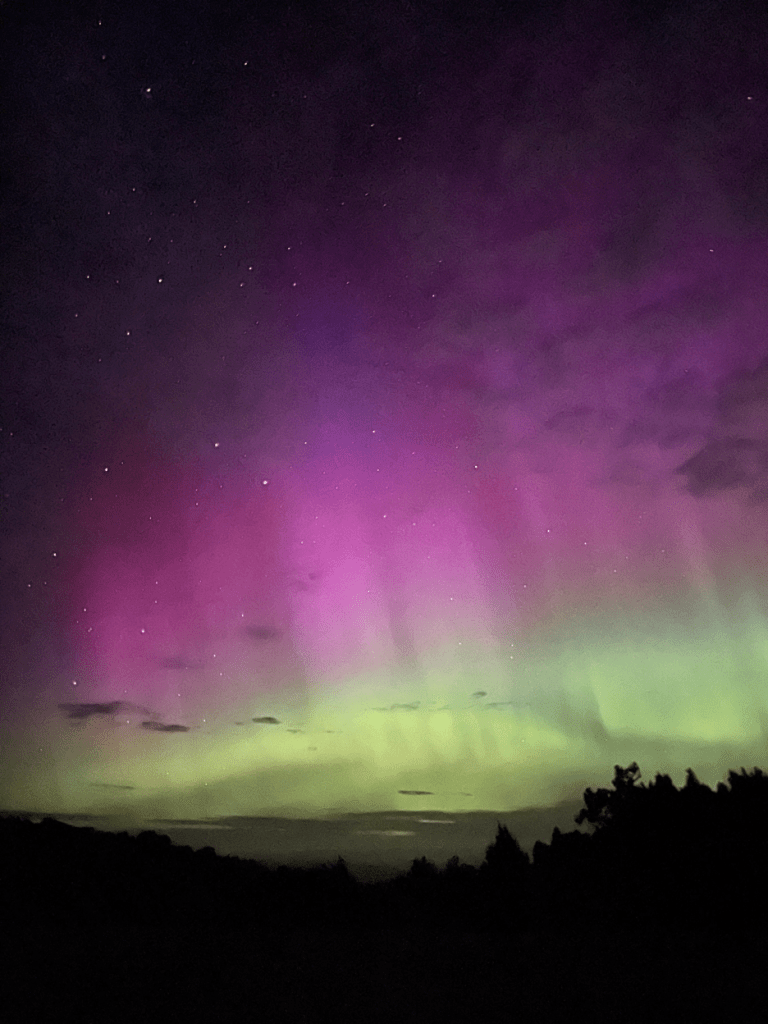
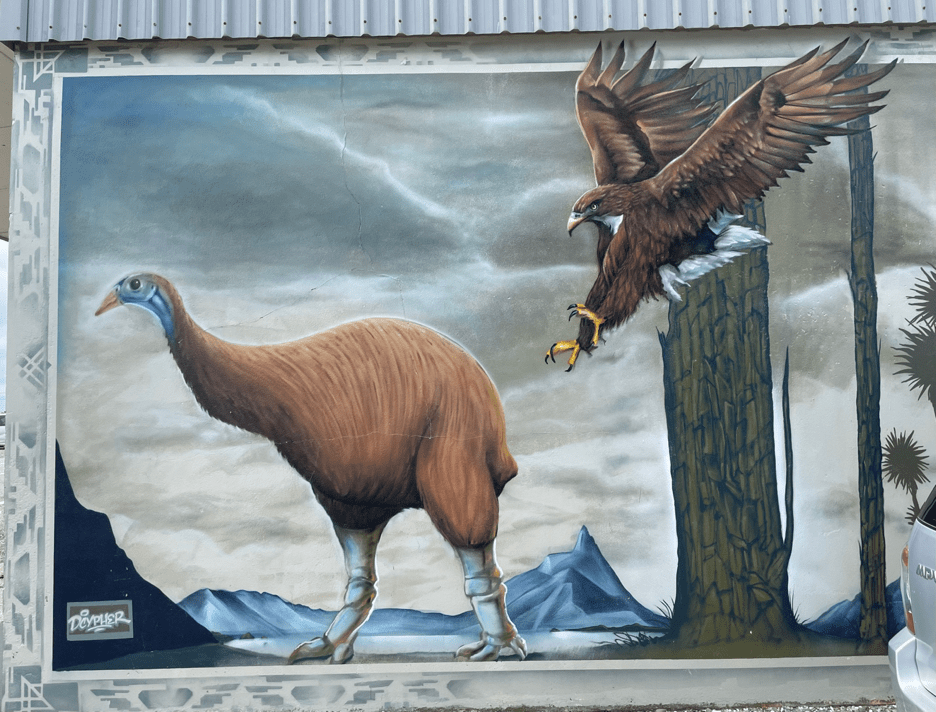
Gazing up into the galaxy and hearing the call of the Tūī—one of New Zealand’s unique bird species—are two of my most cherished experiences from my travels. Merlin, the bird-identifying app, was my constant companion while tramping around the country. In addition to the Kiwi and the Tūī, I encountered Kea, Fantail, Tomtit, Redpoll, Weka, Silvereye, Bellbird, Common Chaffinch, and Morepork, to name a few. I watched the impressive Albatross soaring overhead and one night saw the little Blue Penguin waddling ashore. In that same region, Otago, once lived the Moa, a giant flightless bird hunted to extinction by the early Māori. With its extinction came the demise of the massive Haast’s Eagle, whose primary food source had been the Moa. As I stood looking out at the Otago hillsides and harbor, I could almost envision the ancient landscape once occupied by these birds, now depicted and documented at the Tūhura Otago Museum.
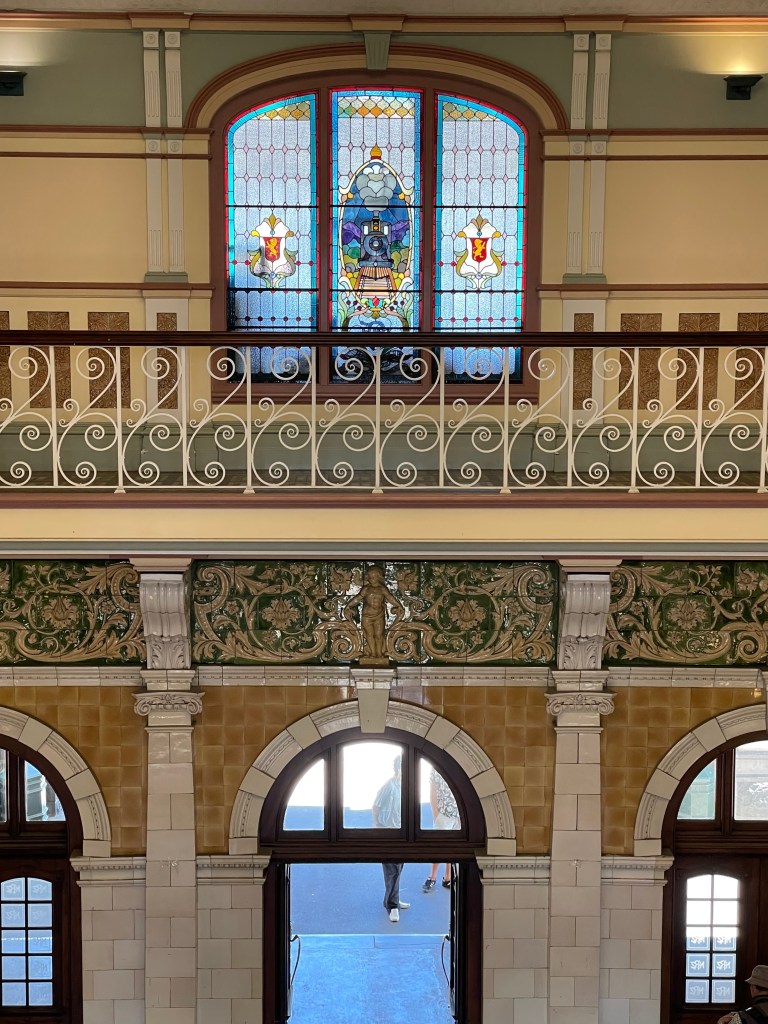
Wherever I found a museum, I went. Many had extensive displays of social, cultural, and natural histories of the islands, and a few featured visual arts exhibitions. I found mostly paintings of landscapes and nature, as well as portraits of historical figures. Dunedin—its name meaning “fort of Edin,” the Scottish Gaelic name for Edinburg—saw many Scots settle there in the 1800s, as is evident in the architectural structures throughout the city, notwithstanding the Flemish Renaissance-style Railway Station! Some of the most interesting contemporary art I encountered was on view at the Dunedin Public Art Gallery, which showcases more conceptual approaches to nature and people. Whangarei and Akaroa each had unique art museums established by emigrants from Europe. The Hundertwasser Art Centre is a memorial to the philosophy, ideology, and work of Friedensreich Hundertwasser, an Austrian artist, ecologist, activist that emigrated to New Zealand in the 1970s. While best known for the Hundertwasserhaus in Vienna, Austria, the Centre in Whangarei is the southern reincarnation of his whimsical and imaginative vision that encompassed his life as much as his art. In Akaroa, the Giant’s House—known as the happiest garden on earth—is truly one-of-a-kind. Josie Martin, an artist and horticulturist, transformed her home and garden (where she still resides) into a playful, Alice-in-Wonderland-esque, psychedelically colorful wonderland, with fruit trees and bright flowers nestled alongside fantastical mosaic sculptures. It is most definitely WOW-worthy.
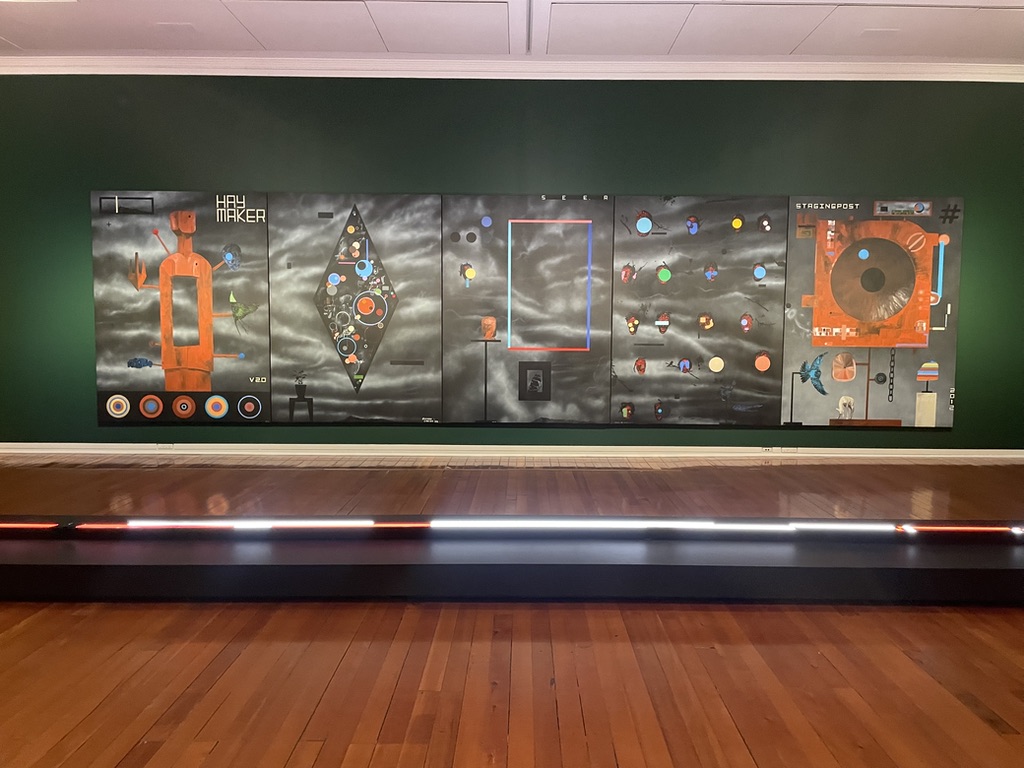
Shane Cotton, The Haymaker Series I-V, 2012. Acrylic on linen. Dunedin Public Art Gallery. Time, power, Mãori culture and tradition, semiotics, and art history play out across five panels.
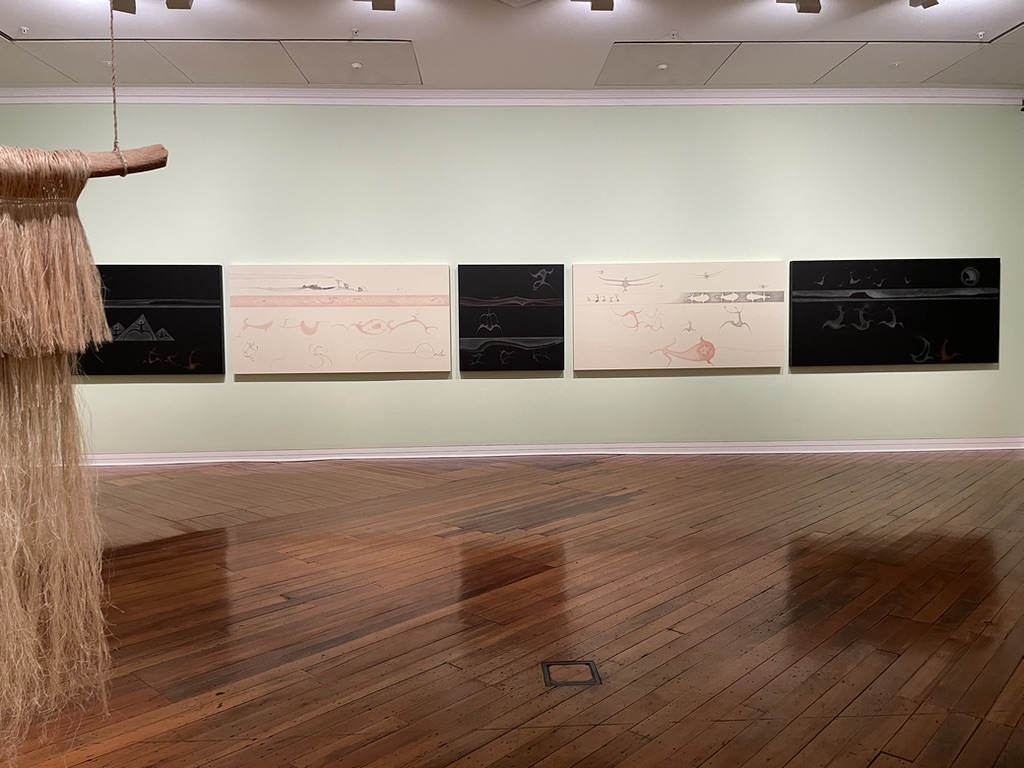
Ross Hemera, Horotea ngã tapuae i te awa, 2023. Pencil on Board. Dunedin Public Art Gallery. These drawings reference ancient rock drawings found in limestone caves that were created by the nomadic Waitaha people.
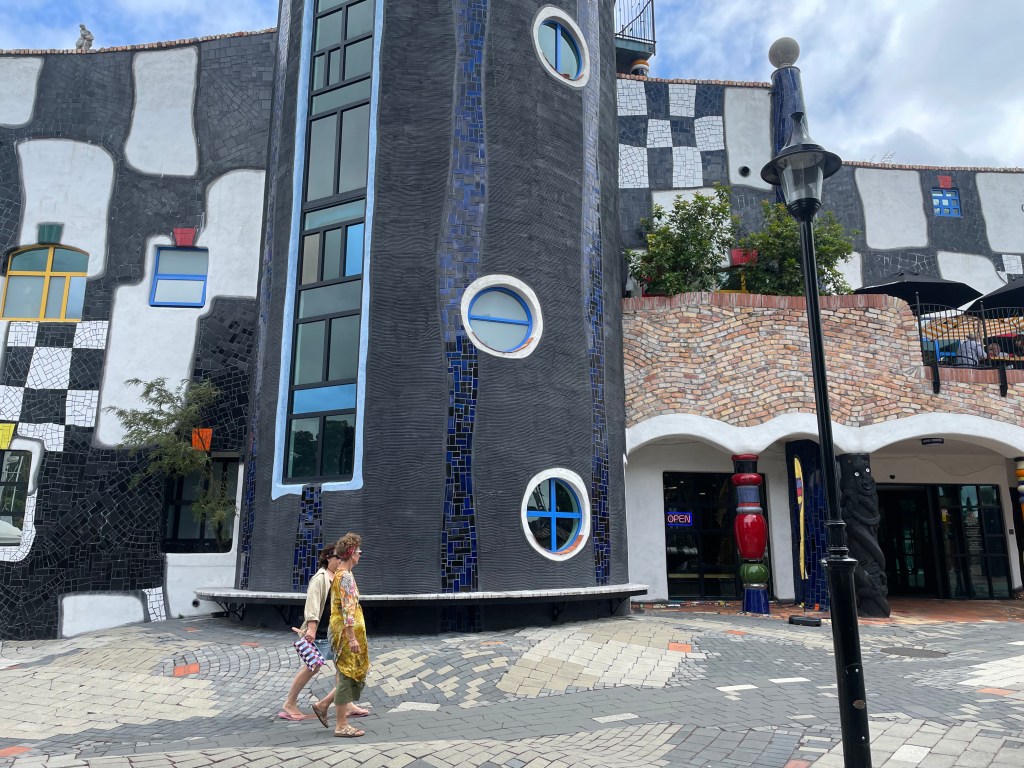
The Hundertwasser Art Centre.
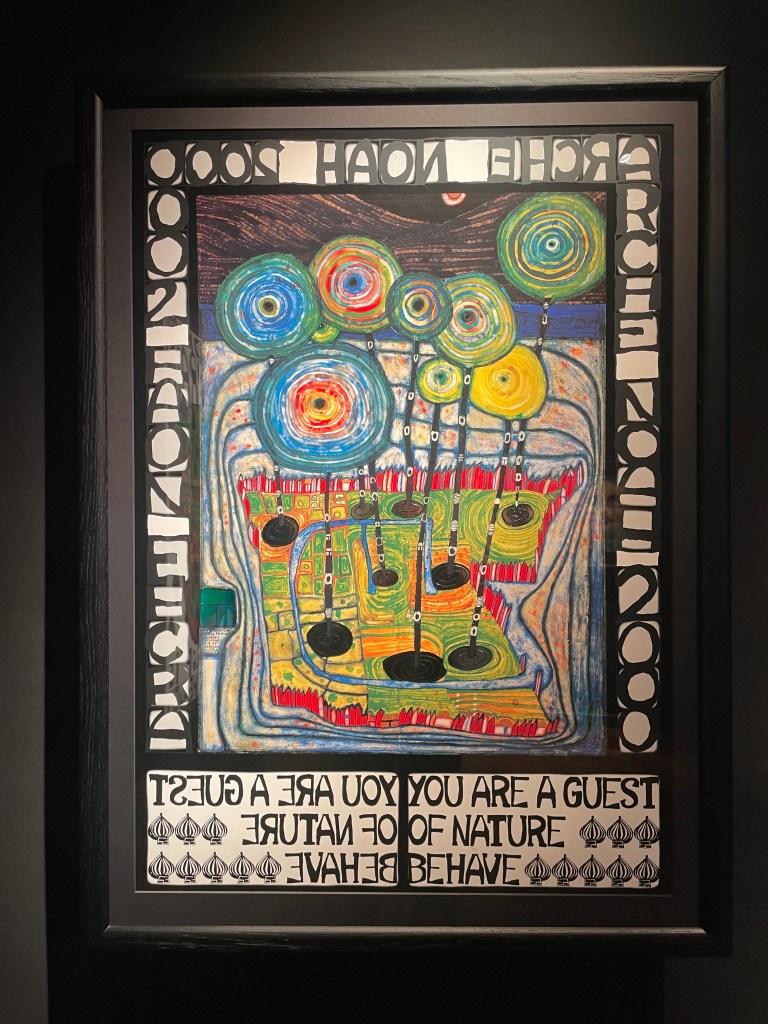
Hundertwasser’s You Are A Guest Of Nature 2000, offset lithograph print. It was created for and donated to “Arche Noah 2000” a worldwide nature conservation initiative.
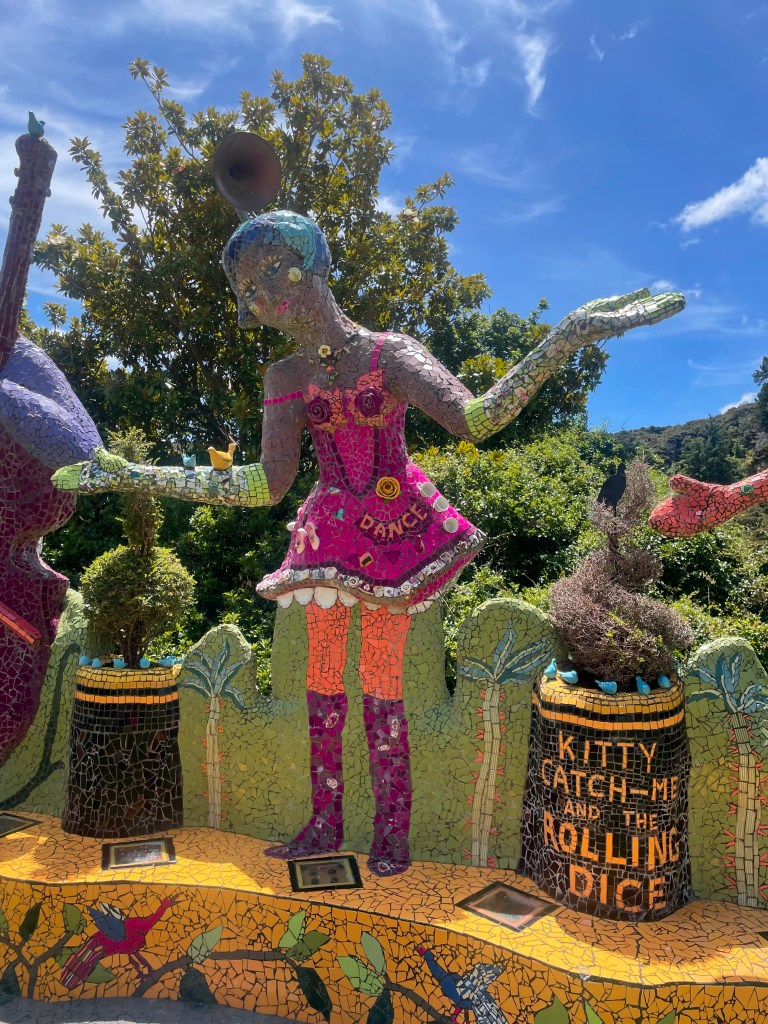
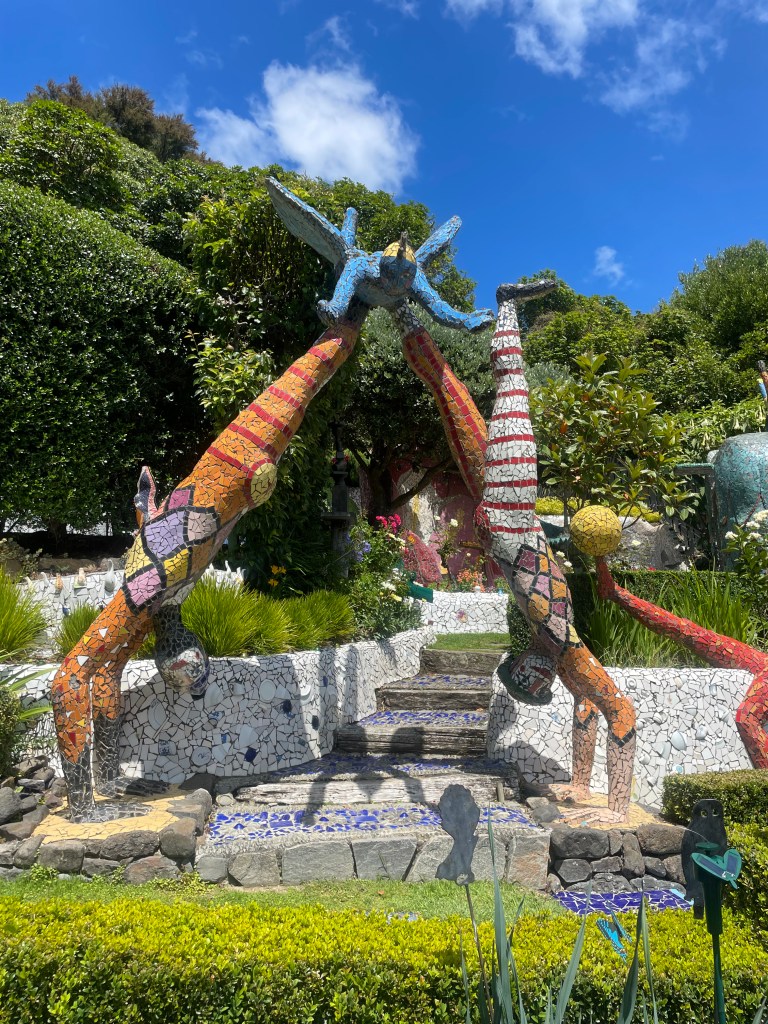
Sculptures in the Giant’s House’s garden.
All in all, New Zealand offers an abundance of spectacular nature, along with many small, often quaint, rural towns where the local pub is where it’s happening. Kiwis are friendly, and if you’re seeking an active outdoor lifestyle or a calm, slower pace of living then, it’s a good shout out for you. However, if you value cultural diversity and an abundance of wide-ranging activities that city life provides, then you may find there is not much. Even Auckland and Wellington pale in comparison to major cities in other countries. If you like predictable warm weather, you might need to get comfortable with woolies and down parkas even in the summer months. If you prefer to get around by bike or public transportation, New Zealand may not be ideal, as getting around the country without a car can be challenging. Most of the main byways are narrow, typically one lane in each direction, and without much of a shoulder easement.
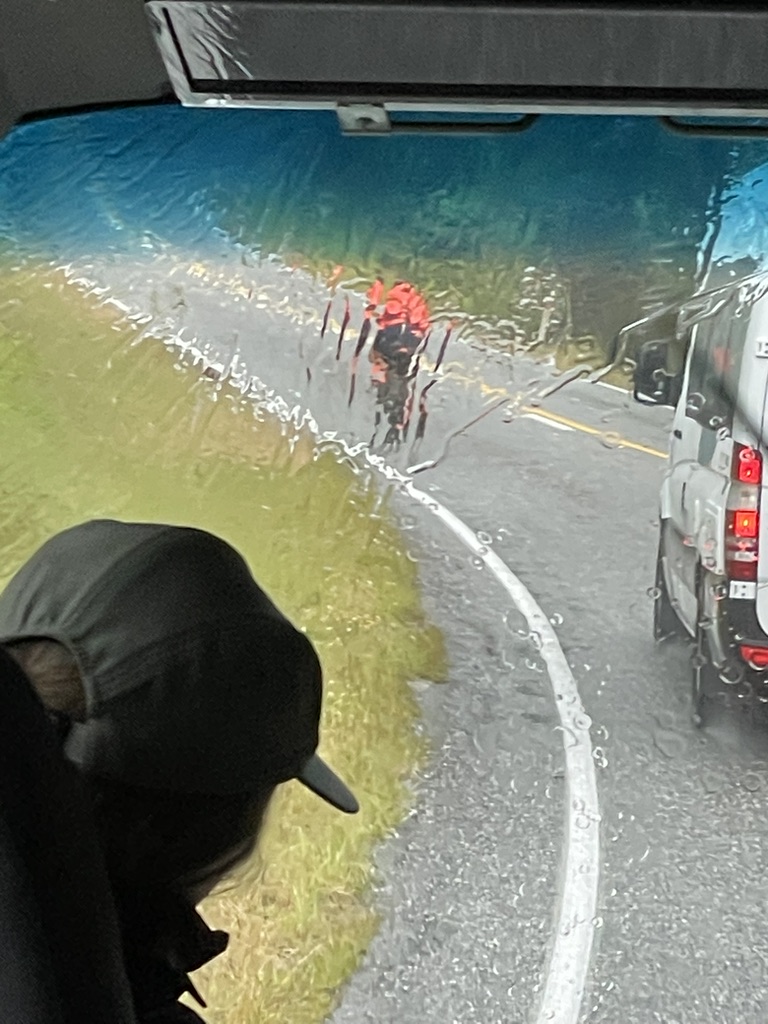
I’ll let you decide whether New Zealand is the place many Americans idealize, whether it’s a better version of freedom and fairness, or like home, and most everywhere—a nice place to live that has its issues, too, more or less in balance, where the life > work equation holds true even as it shifts across time.
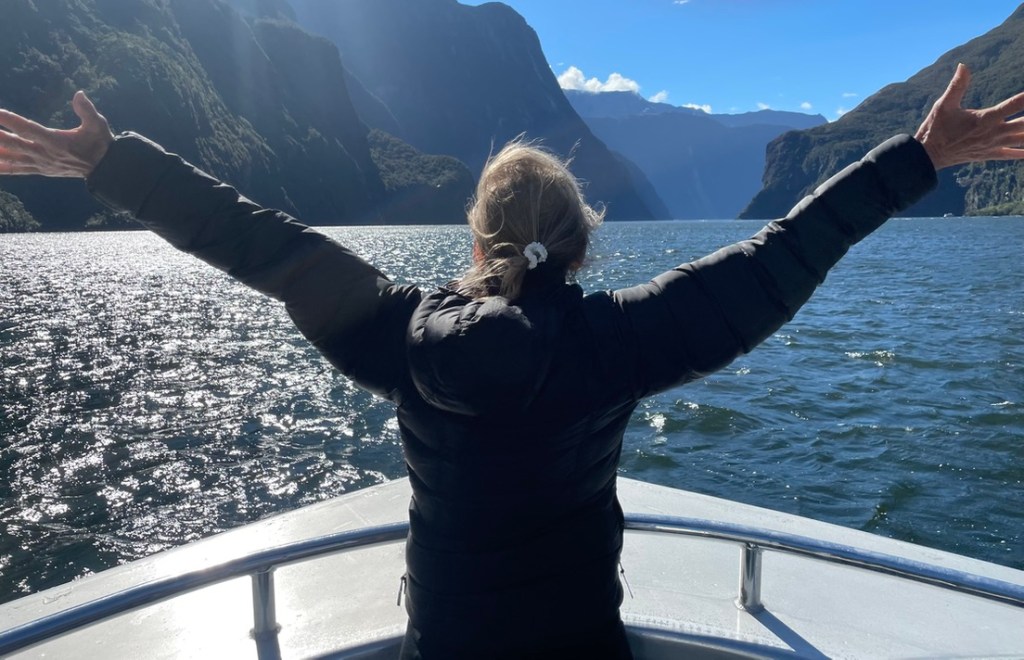
A few personal travel notes:
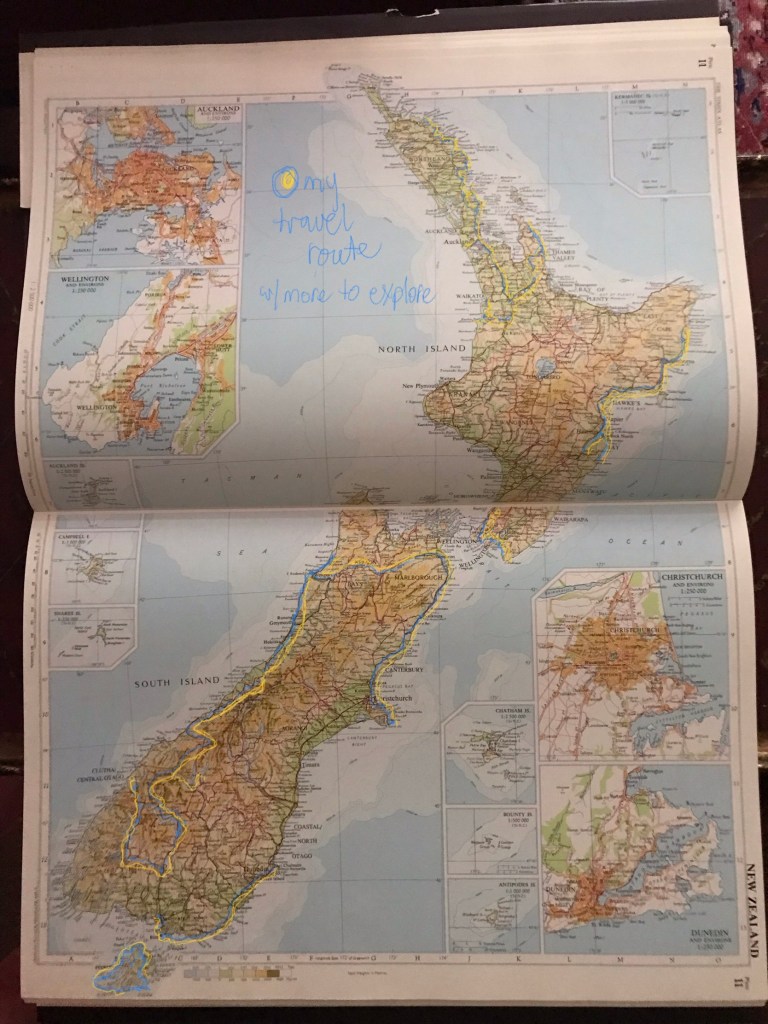
This is not a typical travel essay, but I want to give a shout out to a few places. I traveled extensively across both the North and South islands, so feel free to reach out if you have any questions—I’m happy to help where/when I can and share my experiences.
I often stayed in homes or the DOC accommodations, therefore I can offer only a few hotel recommendations.
Auckland
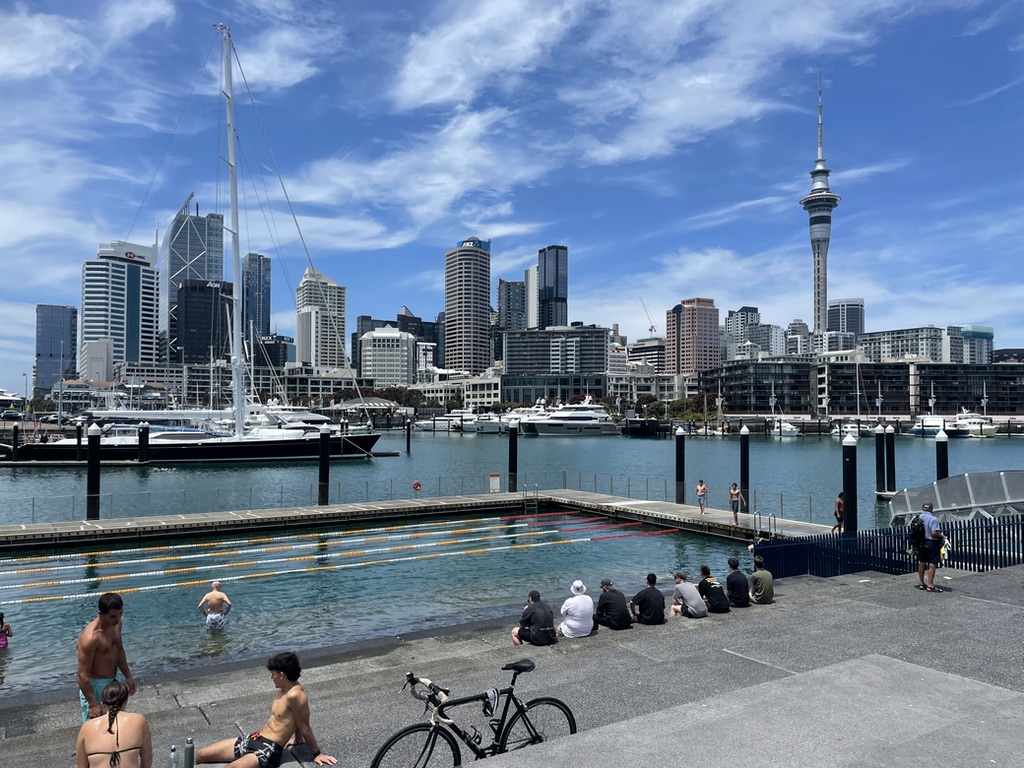
M Social Hotel was my home upon arrival. The staff is very friendly, most rooms have great views of the harbor, and it is located across from the Maritime Museum, which I highly recommend visiting.
Auckland has many excellent Asian eateries, likely reflecting that many Asians live and visit in Auckland. One of my favorites is Panda Roll Running Pot, which features a hotpot train—a sushi-train-style conveyor belt—it’s a unique and novel concept for making your own hot pot.

CYCO Bike Shop unpacked my bike from its bag, assembled, tuned, disassembled, and repacked my bike for travel. For any bike needs, this is your place!
Christchurch
The Botanical Gardens are a must-visit. And, of course, the aforementioned side trip to Akaroa to see the Giants House.
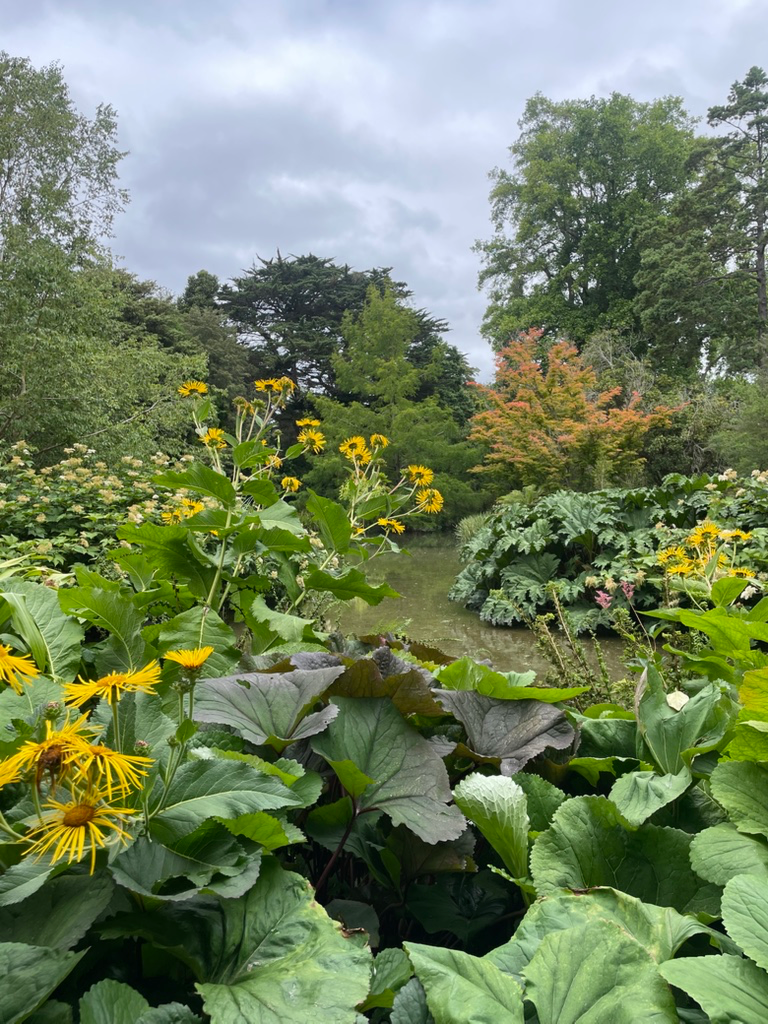
Dunedin
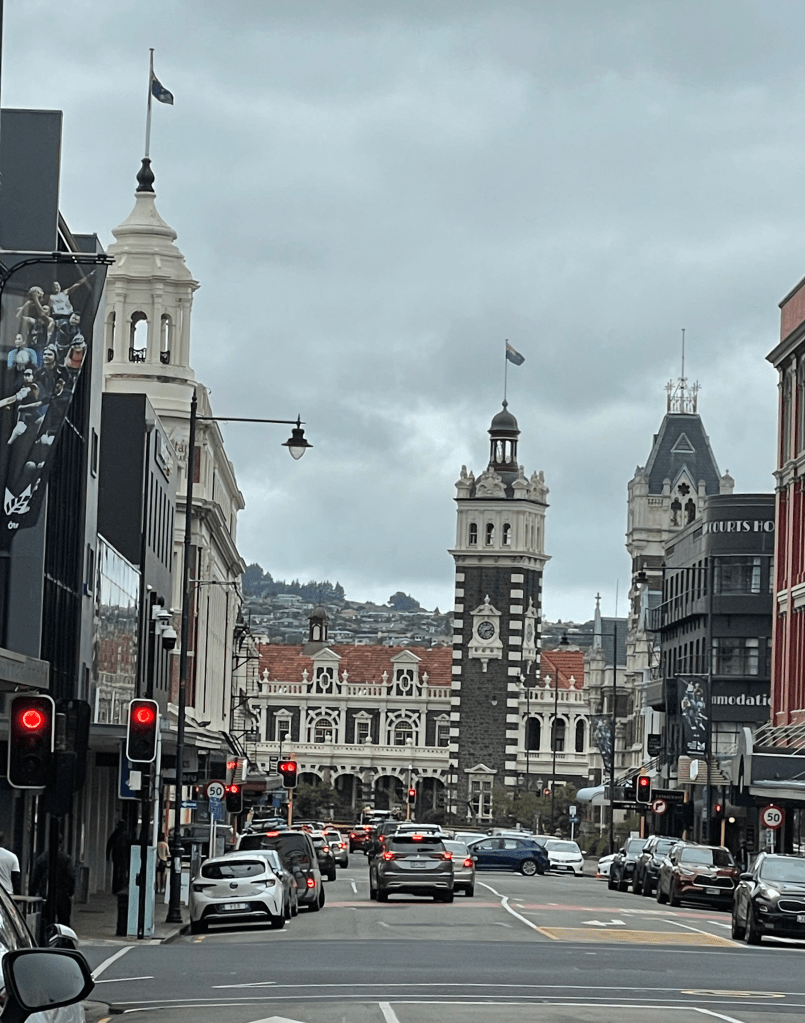
Dunedin has many great places to stay and eat. For a college town, it is also a foodie town, and it’s home to St Clair’s—a surfer’s beach and neighborhood.
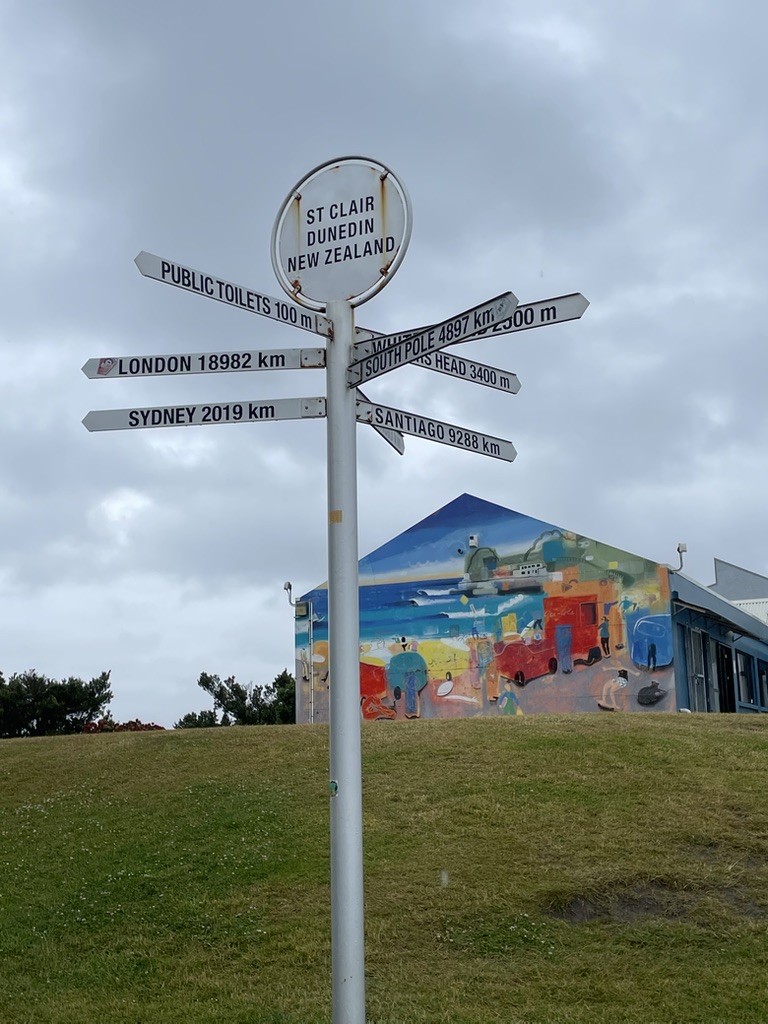
Dunedin House, a small boutique hotel, is beautifully appointed with hardwood floors, eye-catching antiques, and a billiards room! The staff, like most New Zealanders, are very friendly. Breakfast is made to order, though the menu is the same each day. Some of the rooms are comfortable with nice city views, while many are quite small, with little to no space to unpack your bag.
Bluestone on George has less of the charm and service, but offers great amenities for those who have been bike-packing, backpacking, and on-the-road for a while—spacious rooms with a mini kitchen, washer and dryer in each room!
The Swan was my favorite restaurant: great vibe, a tasty selection of tapas-style small plates perfect for sampling a variety of dishes. I met locals who were loyal regulars and visitors who had dined there more than once during their time in Dunedin.
Stewart Island
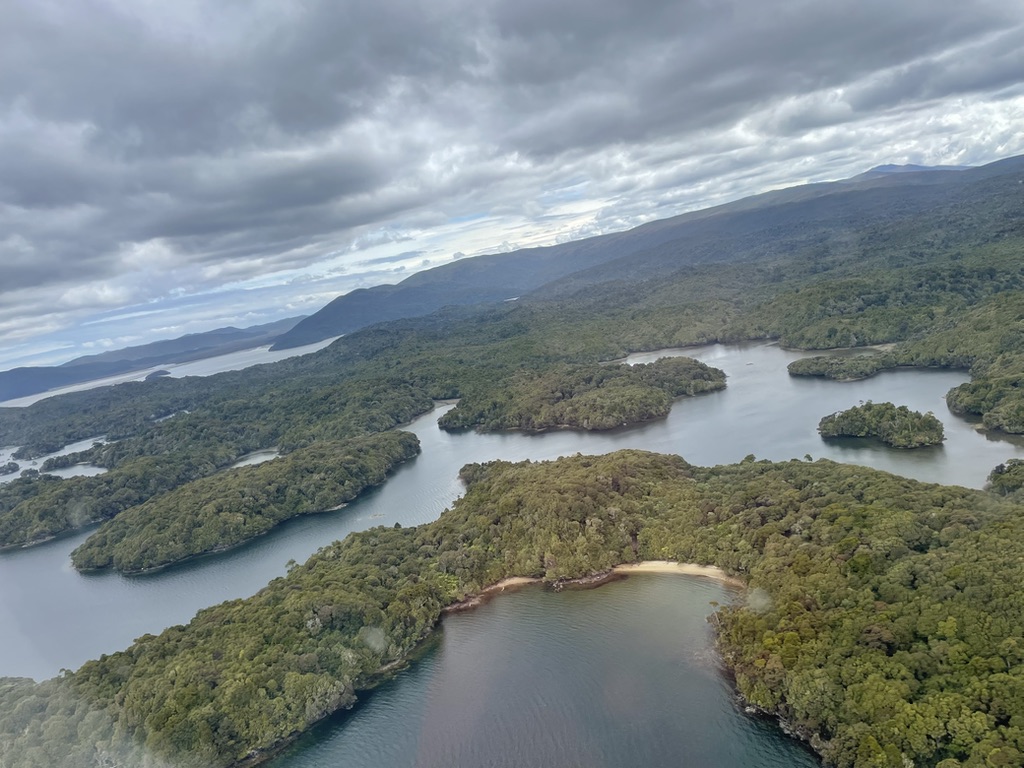
If you can get there—GO!
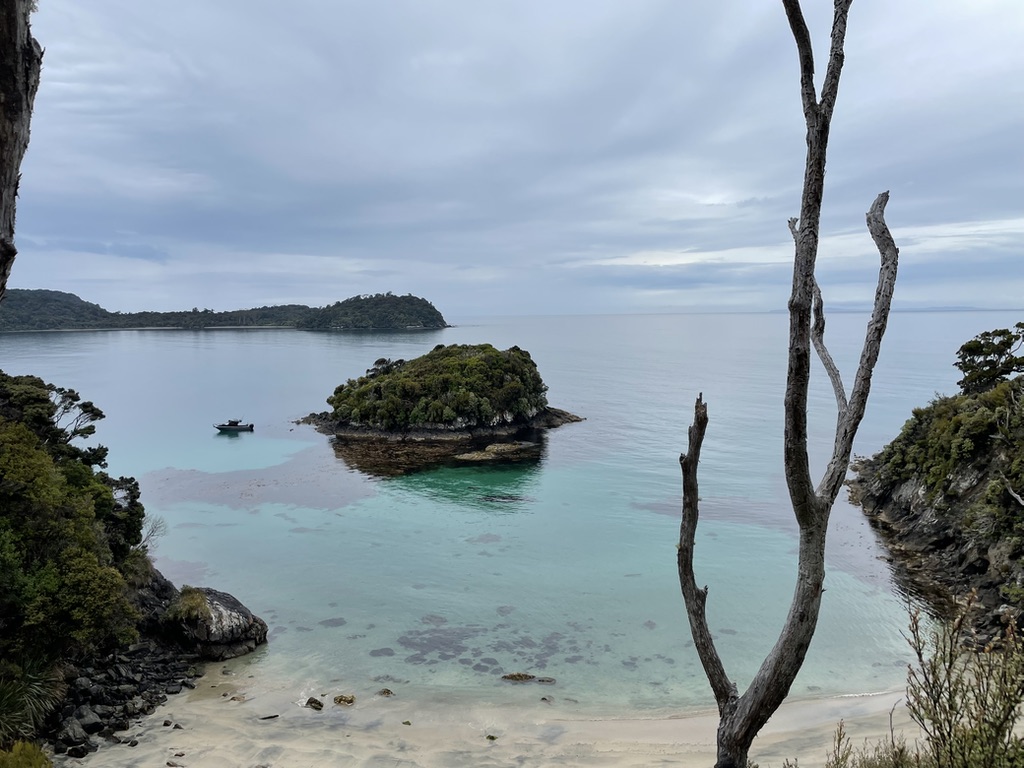
I stayed at Greenvale Bed and Breakfast. If you can stay there consider yourself lucky, it is truly the best. I know I’ve mentioned that the people are friendly, yet Matthew went above and beyond to make certain I enjoyed every minute of my time on Stewart Island. He helped with booking my kiwi-spotting adventure, my boat excursion, and pointed me to the best rails to wander, and if I had time for diving or snorkeling—he was my guy! He prepared the most delicious breakfasts customized to my diet. Their website says, “We aim to make your stay so fabulous that you won’t want to leave”—and they absolutely deliver on that promise.
Hamilton
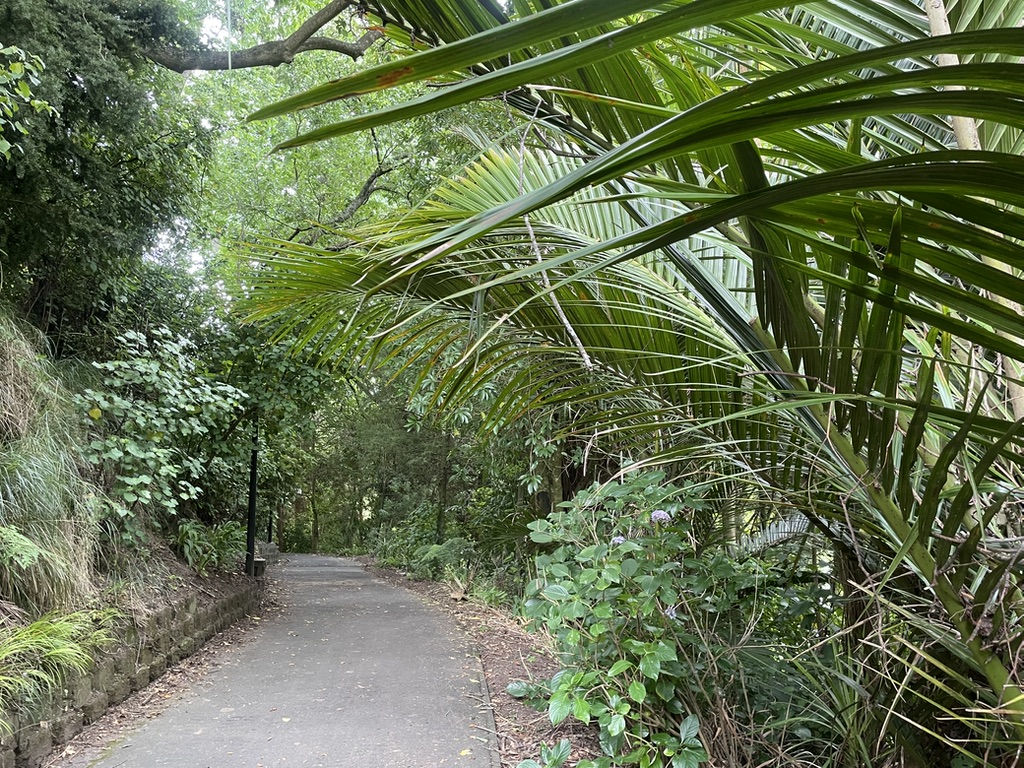
Is off most New Zealand itineraries unless you’re heading to the Hobbiton movie set, but it deserves more attention. It has a lovely, peaceful 32-kilometer river trail, and at Little Honey eatery I had one of the best meals of my entire two and a half months traveling through New Zealand. It is the chef’s first restaurant, following years of catering and the opening a coffee roastery. The café’s tagline is “loves food,” and it shows—he sources local, seasonal ingredients and creates innovative, surprisingly delicious dishes that delight with every bite.

Surfing
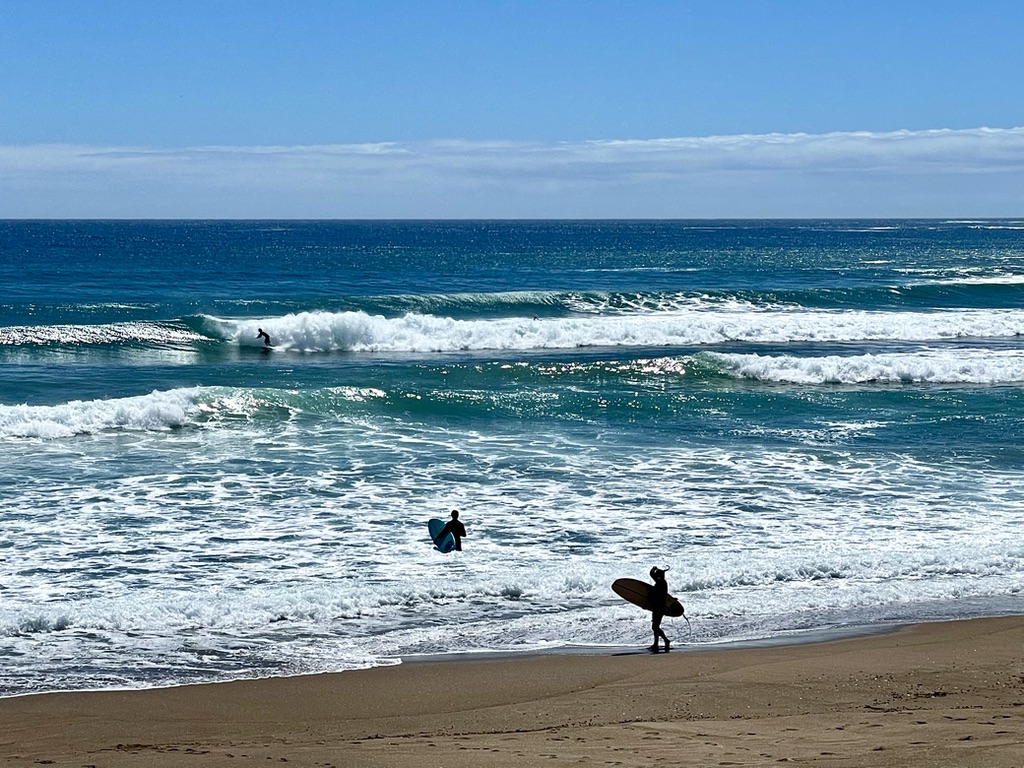
And my final mention is on surfing. New Zealand has no shortage of beaches and, with them, no shortage of great surf. I went to Gisborne (“Gizzy”), Raglan, and Hot Water Beach, staying in homes at each. For me, Hot Water Beach had the best conditions during my visit, though Raglan is New Zealand’s most famous surf town—immortalized in the film Endless Summer—and it has the full on, surf vibe feeling with vegetarian eateries, tea cafes, yoga, and open-mic bars. They were all great, and I could have happily stayed longer at each.
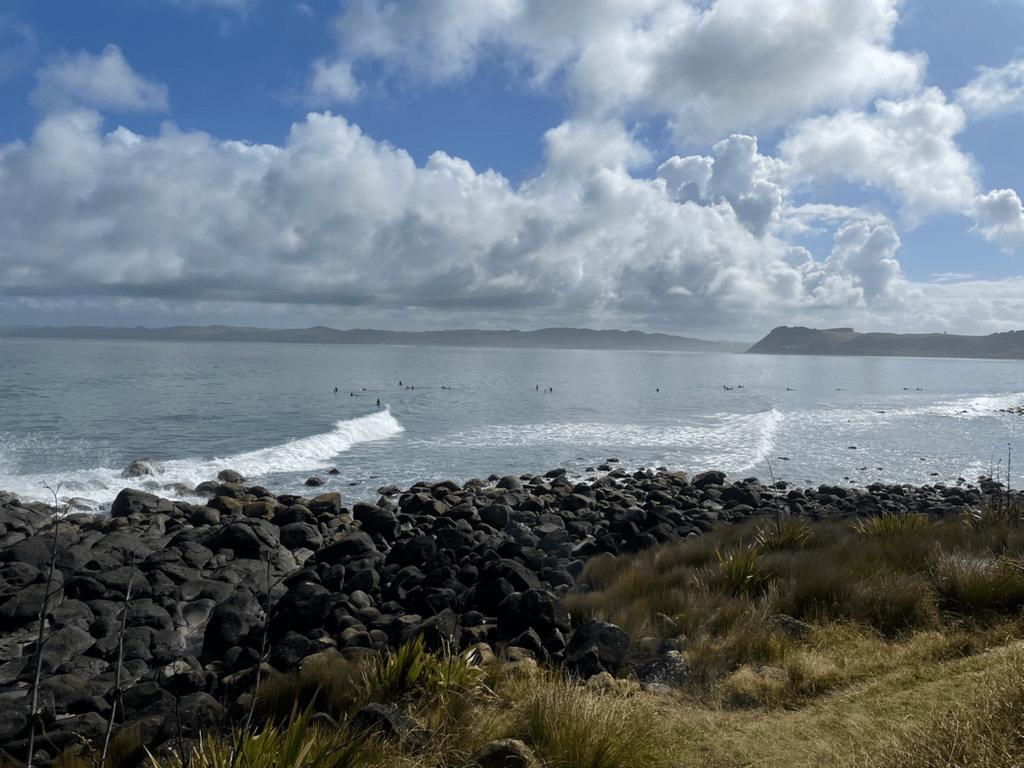
The Endless Summer famed Manu Beach in Raglan
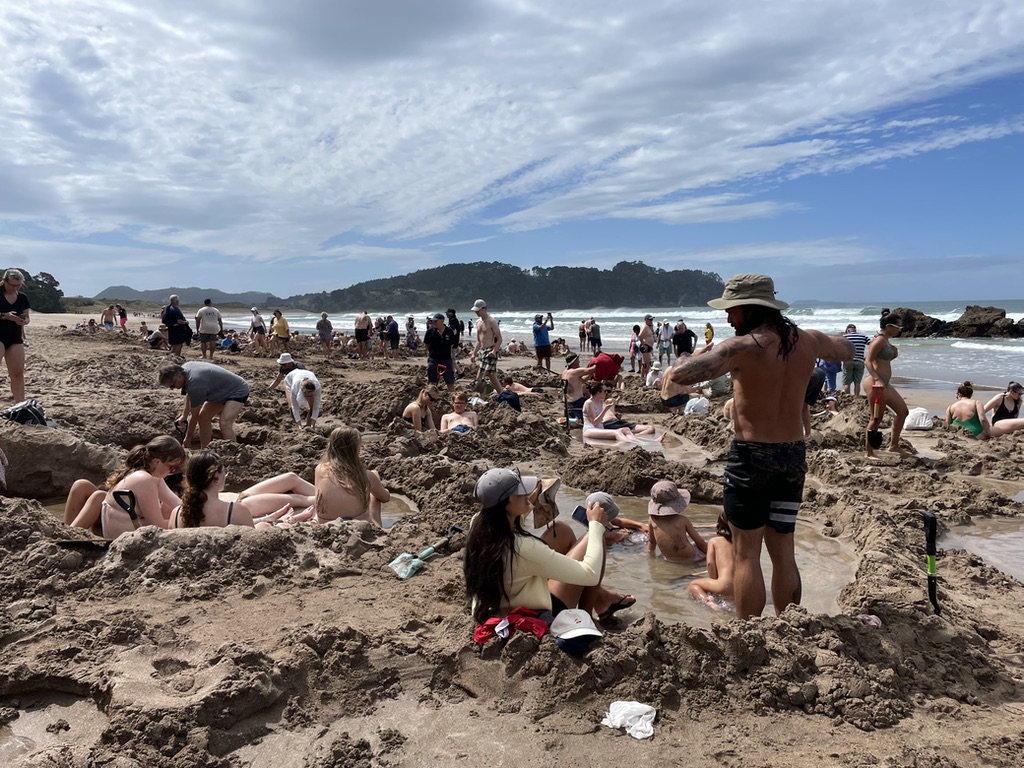
The insanely crowded and popular Hot Water Beach where you can dig your own natural hot spring soaking pool.
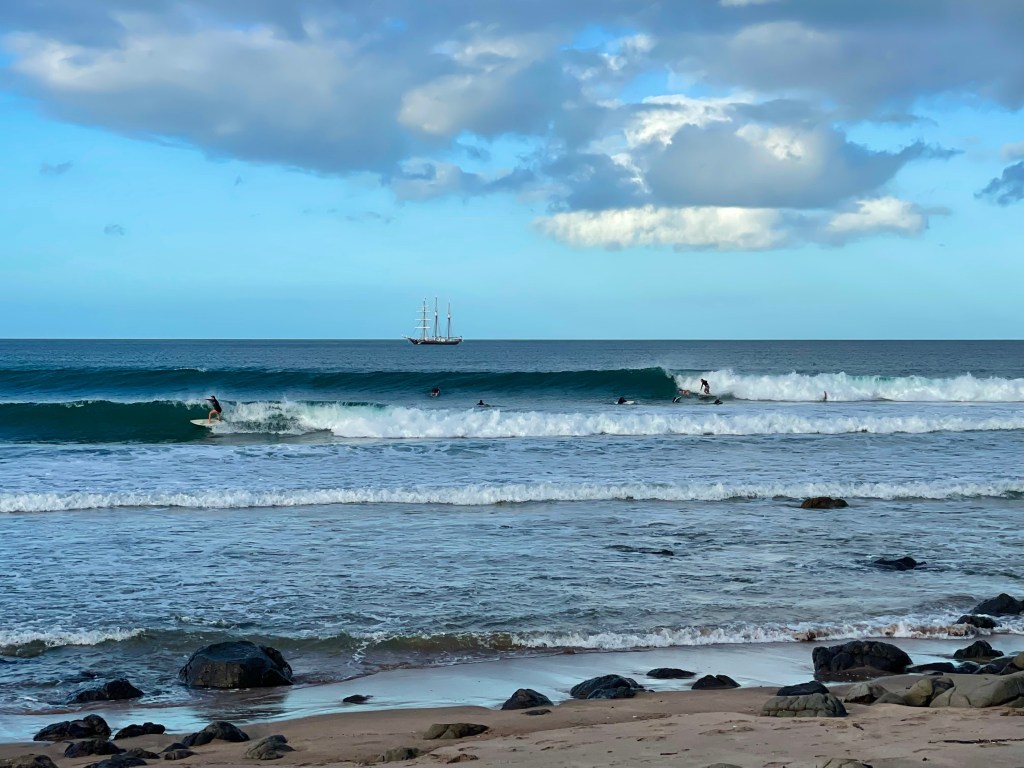
And, the fantastic surf break at Hot Water Beach.
 ahhtobehumble.com